
A genetic health condition that causes polyps and dark-colored spots on different parts of the body is called Peutz-Jeghers syndrome (PJS). It also significantly increases the risk of certain cancer types, but when these spots and polyps appear, they are noncancerous (benign).
Furthermore, the spots that appear in children with this disorder usually fade over time. In most cases, PJS affects the gastrointestinal (GI) tract, including the small intestine, stomach, and large intestine (colon). However, polyps can develop in other parts of the body, such as the bladder, lungs, nose, kidneys, and others. Usually, if you have this condition, doctors recommend regular screening for cancer and high-risk polyps.
In general, PJS occurs rarely, but it is quite difficult to estimate how many people have this genetic condition. According to some research, PJS affects about 1 in 25,000 to 300,000 people.
Symptoms
While the primary symptoms of PJS are spots and polyps, this disorder can also cause other symptoms. These polyps and spots often appear on or around the lips (in most cases), inside the mouth, nose, eyes, fingers, palms of the hands, soles of the feet, anus, but may also affect other parts of the body. Check below for other symptoms of PJS that usually appear between the ages of 10 and 30:
- Nausea
- Vomiting
- Stomach pain
- Gastrointestinal bleeding
- Anemia (low red blood cell count)
- Bloody stools
Do not hesitate to see a healthcare professional if any of the previous symptoms appear.
Causes
In most cases, people with PJS have a mutation in one copy of the STK11 gene. In general, this gene is a tumor suppressor gene that works like a light switch for cell growth. When this gene does not work as it should, certain cells can grow and multiply abnormally, causing clumps of cells (also known as tumors).
Moreover, about 80% of people with this genetic disorder have a family history of the disease. The abnormal genes are often inherited from each biological parent. The rest 20% of people with PJS do not have a family history or do not have this mutated (changed) gene at all. However, experts do not fully understand what causes PJS when there are no STK11 gene changes.
Commonly, people inherit the abnormal genes from their biological parents during pregnancy in an autosomal dominant pattern. For instance, both parents pass on a single copy of the STK11 gene to the child. In any case, if you inherit only one abnormal gene, your risk of developing PJS remains high. Generally, there is a 50% chance of passing the abnormal gene to your children.
What Are The Possible Complications of Peutz-Jeghers Syndrome?
One of the most serious PJS is cancer. Healthcare providers estimate that the risk of developing cancer in people with this genetic condition is as high as 93% during their lifetime. That’s why people with PJS are screened regularly to make sure polyps and spots remain benign. Check below for other complications of PJS:
- Intussusception of the small intestine – This is a health condition in which the small bowel turns itself inside out. It occurs when it tries to pass a large polyp. Approximately 70% of people with PJS develop this complication.
- Small bowel obstruction (blockage) – Sometimes, polyps can block the small intestine. Moreover, about 50% of people with PJS develop this health problem.
- Gastrointestinal bleeding – When polyps become too large, they can put extra pressure on the GI tract and cause bleeding.
- Iron-deficiency anemia – Severe blood loss can deplete your Iron stores and cause anemia. This is a condition in which the red blood cell count is reduced.
While women with PJS can develop ovarian cancer and an aggressive form of cervical cancer, males can experience Sertoli-cell type of the testicles and tumors that cause gynecomastia (enlarged breast tissue).
You may wonder what the percentage of people who develop cancer is. In general, the average age of cancer diagnosis is 42. Check below the most common types of cancer and how many people develop them:
- Colorectal cancer (up to 40%)
- Breast cancer (between 30% and 50%)
- Pancreatic cancer (between 11% and 36%)
- Stomach cancer (up to 30%)
- Ovarian cancer (20%)
- Lung cancer (15%)
- Small intestine cancer (up to 13%)
- Cervical cancer (10%)
- Uterine and testicular cancers (less than 10%)
- Esophageal cancer (2%)
For more details, discuss it with your physician.
How to Prevent Peutz-Jeghers Syndrome?
Unfortunately, there is no way to prevent PJS because, in most cases, it is inherited. However, you can perform some genetic tests before pregnancy to make sure you do not have this abnormal gene, especially if you have a family history of the disease. In general, there is a 50% chance of passing the abnormal gene to your children during pregnancy.
One way to eliminate the abnormal gene is to use in vitro fertilization (IVF) to get pregnant, but this procedure is expensive.
Diagnosis
Commonly, people with PJS visit healthcare professionals because they have symptoms. The average age at which people get their diagnosis is 23. During the diagnosis of PJS, physicians will look for dark-colored spots and polyps in the GI tract. They will also evaluate your family history. However, to confirm or rule out PJS, doctors often perform the following tests. These include:
- Colonoscopy – During this procedure, doctors examine your large intestine (colon).
- Upper endoscopy – This procedure involves a long and flexible tube (catheter) that allows your doctor to see inside the esophagus, stomach, and the upper part of the small intestine.
- Capsule endoscopy – In such cases, doctors examine the digestive tract through a small camera located in a capsule that the patient swallows. It helps take pictures while it moves through the digestive system.
Additionally, healthcare professionals may also perform a blood test to check for the abnormal gene that is present in most people with PJS.
Treatment
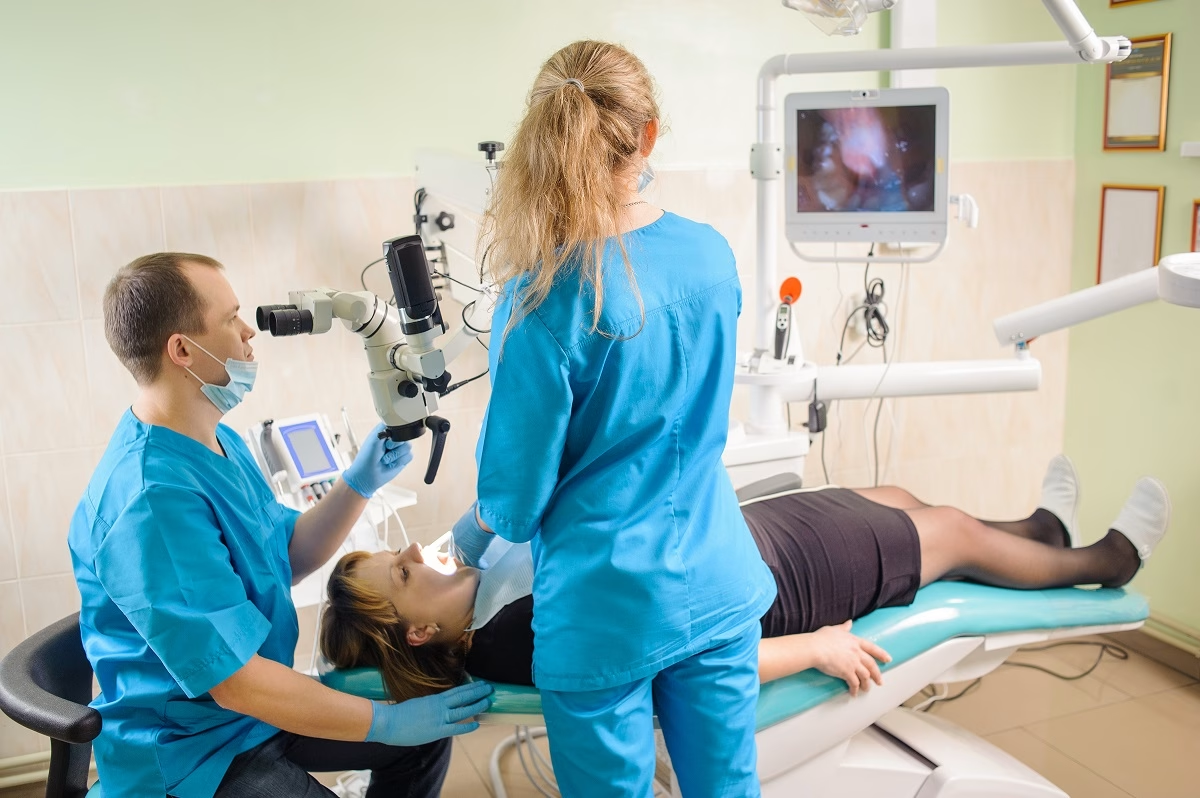
The primary treatment for people with PJS is surgery to remove the polyps. While they can be removed during a colonoscopy or biopsy, sometimes doctors perform a balloon-assisted enteroscopy.
Frequently Asked Questions
What is the outlook for Peutz-Jeghers syndrome?
Unfortunately, this condition cannot be cured because doctors do not know why it occurs. That’s why people with PJS need lifelong treatment to manage the symptoms and improve their quality of life.
What are the symptoms of Peutz-Jeghers syndrome?
Usually, people who develop this disorder experience the following symptoms. Examples include:
- Dark freckles on and around the lips
- Bloody stools (less common)
- Vomiting
- Abdominal pain
- Clubbed fingers or toes
Immediately contact your healthcare professional if any of the symptoms listed above occur.
What is the life expectancy of someone with Peutz-Jeghers syndrome?
In general, the life expectancy of someone with PJS is reduced due to an increased risk of cancer. Most of them die from cancer in their 50s. If you have additional questions, ask your healthcare professional.