
A systemic health condition caused by a deficiency of niacin (vitamin B3) is called pellagra. It negatively affects all body structures and organs, and without treatment, it can be fatal. In most cases, people develop pellagra due to a lack of vitamin B3 in their diet (also called primary pellagra). It often occurs in poor and food-limited populations. The secondary form of pellagra is often caused when the body cannot absorb enough niacin from food.
In other words, pellagra is a type of malnutrition, specifically micronutrient undernutrition. Vitamin B3 is essential to cell functioning in the whole body. A lack of niacin may lead to symptoms throughout the body (including the skin, mouth, bowels, brain, and others). Without treatment, it leads to serious and even life-threatening health problems, such as damage to the nervous system.
In general, niacin is found in a lot of food, and usually, people who eat a balanced diet get enough niacin. While in developing countries, primary pellagra occurs more commonly, in industrialized countries, people develop it due to other health conditions that affect the body’s ability to absorb enough nutrients and vitamins.
What is Niacin?
The body uses vitamin B3 (niacin) to convert food calories into energy. This vitamin is absorbed in the bloodstream through the small intestine. In the small bowel, it is converted into coenzymes known as nicotinamide adenine dinucleotide (NAD). Coenzymes are enzyme agents that work together with enzymes to catalyze chemical reactions. In general, there are more than 400 different enzymes in the body that depend on the coenzyme NAD to function properly.
Furthermore, coenzymes NAD are responsible for transferring the potential energy in macronutrients (such as carbohydrates, fats, and proteins) into energy your cells can use (including adenosine triphosphate or ATP). Additionally, these coenzymes are also involved in multiple cellular functions, such as DNA repair and cellular communication.
How Does Niacin Deficiency Affect My Body?
A deficiency or lack of NAD may lead to multiple health problems because it is involved in multiple body processes that help it function properly. It may lead to problems with the gastrointestinal tract, brain, skin, and other body structures and organs. Usually, people with pellagra experience diarrhea, dermatitis, and dementia. Remember, without treatment, this condition can be fatal.
Gastrointestinal Mucositis
It occurs when the mucous lining of the intestines fails to replenish itself. As a result, the intestines are not able to digest properly or protect themselves from inflammation or irritation. Moreover, continuous (chronic) inflammation negatively affects the mucous lining along the whole gastrointestinal tract (from the mouth to the bowels). As a result, the affected person may experience the following symptoms. For example, indigestion, stomach pain, oral mucositis, and others.
Skin Photosensitivity
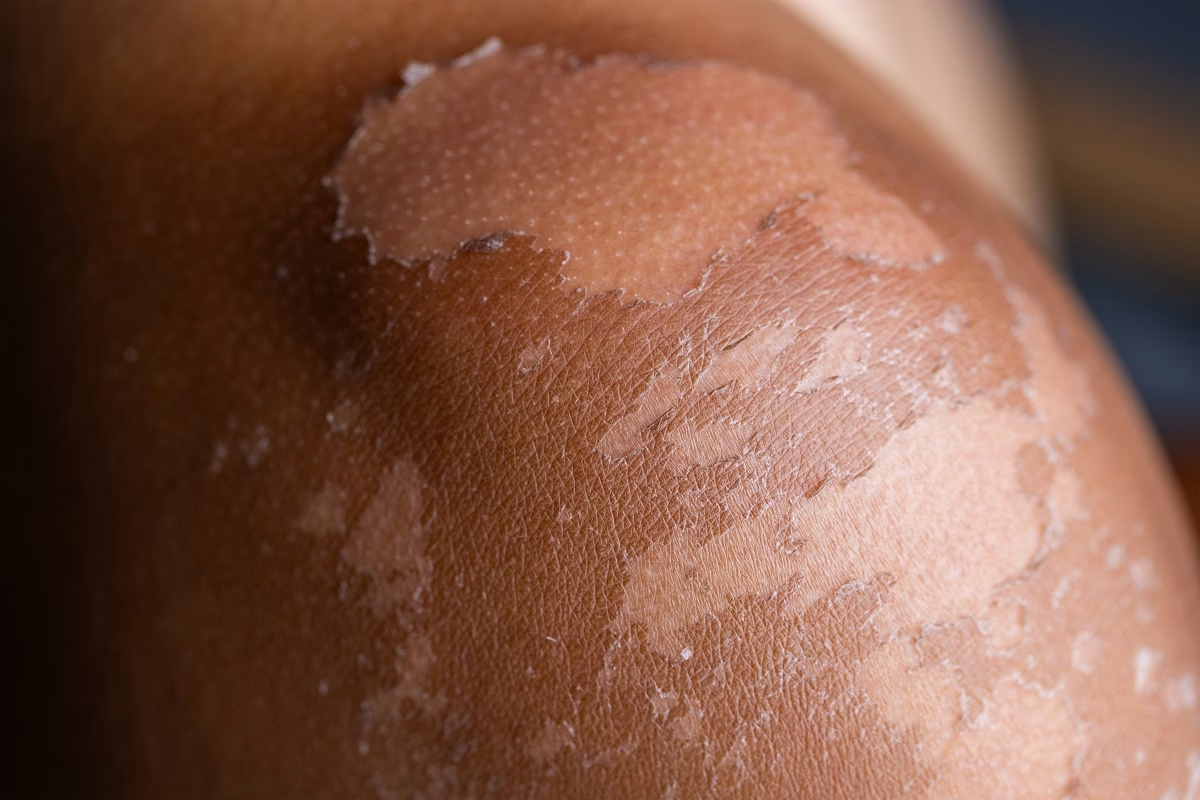
People with pellagra may also experience a distinctive type of dermatitis, especially on the body parts that are exposed to the sun. These include the face, neck, arms, legs, hands, and feet. Cells that are deprived of energy resources may become more sensitive to UV (ultraviolet) rays. Usually, dermatitis starts with rashes similar to sunburns and then can progress to rough, scaly, and hyperpigmented plaques.
Dementia
This condition may also cause damage to the brain and nervous system. While the first symptoms may include lethargy, apathy, and difficulty concentrating, it may lead to confusion and delusions. In more severe cases, people develop permanent dementia and neurological damage that often leads to problems with balance and coordination, muscle twitches, and tremors.
How Common is Pellagra?
Mostly, it occurs in populations where the diet is very limited, especially where protein is scarce, and corn is the staple food. However, the amino acids and proteins that come from food are essential for metabolizing niacin. Moreover, the niacin found in corn is in a “bound” form, which makes it difficult for our bodies to absorb it.
In general, this condition occurs rarely (less than 1% in the United States), and people usually develop the secondary form that is caused by an underlying condition.
Symptoms
Commonly, people who develop pellagra experience the following symptoms. Check below some examples:
- Itchy or painful skin rashes
- Abdominal (belly) pain
- Indigestion
- Chronic diarrhea (sometimes bloody)
- Fatigue (extreme tiredness)
- Weakness
- Malaise
- Mouth sores
- Swollen tongue
- Mood swings
- Mental health problems (such as depression)
- Appetite changes
- Nausea
- Vomiting
- Delirium and dementia
- Neurological symptoms, including numbness and tingling in the hands and feet
If any of the symptoms listed above occur, do not hesitate to visit a healthcare professional for a diagnosis.
Causes
The primary type of pellagra is an inadequate diet. It means you do not get enough vitamin B3 from your diet. In most cases, it is addressed with dietary changes and supplements. However, some people may develop pellagra due to other health conditions that affect the body’s ability to absorb niacin. Check below some of them:
- Gastrointestinal diseases that cause malabsorption (for example, inflammatory bowel disease, cirrhosis, and others)
- Alcohol use disorder – People who drink large amounts of alcohol may also develop pellagra because it causes damage to the intestines and stomach.
- Gastric bypass surgery – During this procedure, surgeons may cause damage to the intestinal mucosa, which leads to multiple micronutrient deficiencies (such as pellagra).
- Iron deficiency anemia – In normal circumstances, the body requires Iron to convert and use niacin.
- Hartnup disease – This is a genetic condition that prevents the body from absorbing amino acids that are essential to produce vitamins from foods.
- Carcinoid syndrome – This condition causes tumors that depress niacin production.
- Some medications – These include antispasmodic medicines, chemotherapy drugs, and others.
- HIV infection – This infection can deplete niacin in the body.
How to Prevent Pellagra?
One of the best ways to prevent this disorder is to get adequate nutrition. If your food choices are limited, you can take dietary supplements to make sure you get enough niacin. However, the recommended dose of niacin per day is about 15 milligrams. Check below the best vitamin B3 sources:
- Beef liver
- Beets
- Brewer’s yeast
- Enriched bread and cereals
- Oily fish (such as salmon or tuna)
- Peanuts
- Potato
- Poultry
- Rice
- Spaghetti sauce
- Sunflower seeds
It is advised to consult with your healthcare professional if you have a predisposition to pellagra.
Diagnosis
In most cases, the diagnosis of pellagra begins with a physical examination to check for abnormalities linked to the disease. Thereafter, doctors may ask some questions about your symptoms and medical history. However, to confirm or rule out this disorder, doctors may perform a urine test (also known as urinalysis) to check whether the body has enough niacin. Sometimes, they can confirm pellagra if you are taking vitamin B3 supplements and symptoms disappear.

Treatment
The primary treatment for people with pellagra is vitamin B3 (niacin) supplements that help replace the missing nutrient. In most cases, people notice improvements within a few days after starting to use this supplement. Your physician may also recommend other treatments for symptoms caused by pellagra (such as skin or mouth sores) or the underlying condition.
Furthermore, in most cases, vitamin B3 supplements do not cause any symptoms. However, if you administer a higher dose than is recommended by your doctor, it may lead to some adverse reactions. These include:
- Skin flushing
- Itching
- Rash
- Bloating and indigestion
- Headaches
- Dizziness
Inform your healthcare professional if any of the previous symptoms occur, as it may indicate you are taking too much niacin.
Frequently Asked Questions
How long does it take to recover from pellagra?
While you may notice improvements within several days after starting vitamin B3 supplements, the symptoms caused by this disorder may go away up to 2 weeks. In severe cases, pellagra may cause severe nerve damage and dementia that cannot be reversed.
What foods prevent pellagra?
If you are at increased risk of developing pellagra, you should make some dietary changes and include the following foods in your diet. These include meats, milk, peanuts, green leafy vegetables, and whole or enriched grains. For more details, discuss it with your doctor.
What depletes vitamin B3?
There are multiple factors and health conditions that can deplete vitamin B3 levels. These include:
- Poor diet
- High corn or Maize intake
- Vegan diets
- Malabsorption disorders
- Alcohol use disorder
- Carcinoid syndrome
- Iron and vitamin B deficiencies
This article does not contain a complete list of disorders that may cause pellagra. If you have additional questions, ask your healthcare provider.