
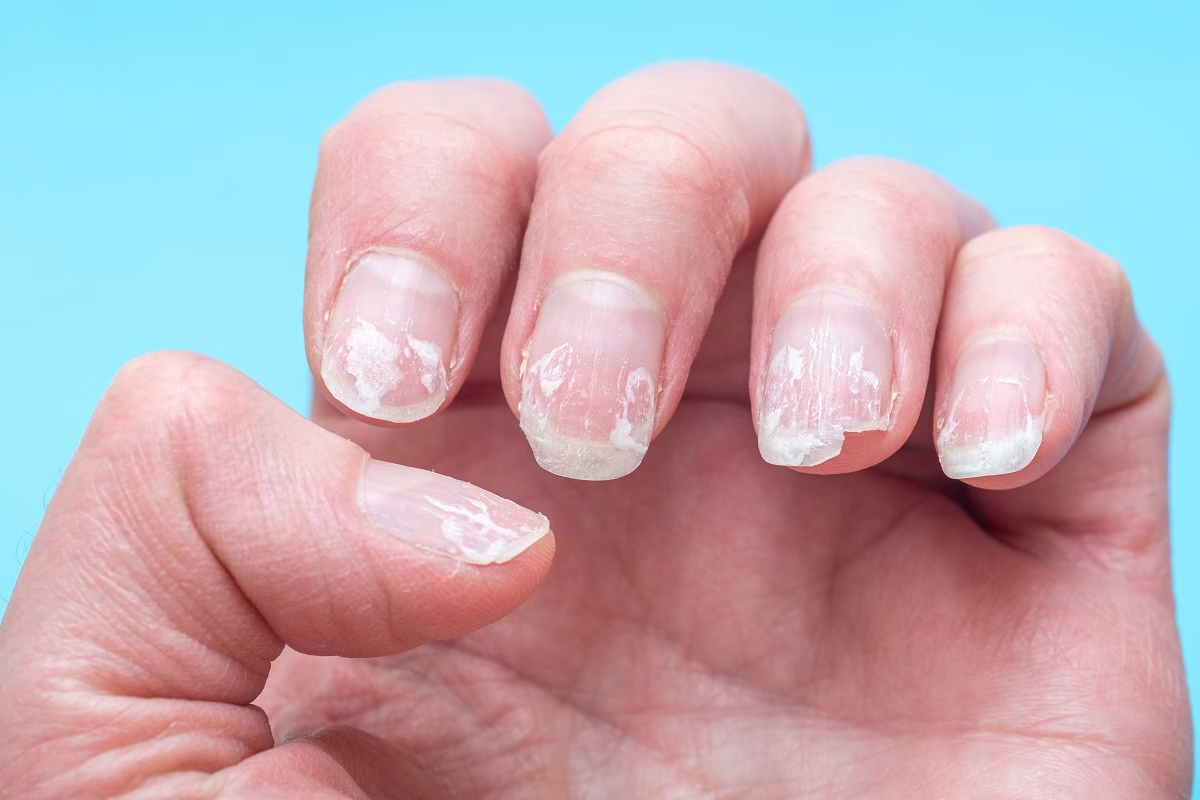
A nail infection that is often caused by bacteria is called paronychia. Usually, bacteria enter the skin through cuts in the cuticle or nail folds (the skin around the nail). In most cases, this infection is treated with antibiotics, and it often does not cause serious health problems. Rarely, this nail infection may last a long time or return after a successful treatment.
In other words, this is an infection that occurs due to trauma, irritation, or infection, and can affect both finger and toenails. Sometimes, the infection may return (chronic paronychia). Moreover, it is often caused by irritation from occupational or environmental exposures. Rarely, it may happen due to a chronic bacterial or fungal infection.
Types of Paronychia
Doctors have divided this condition into 2 categories based on symptoms. Examples include:
- Acute paronychia – The symptoms of this form of paronychia often occur within a few hours to days after the infection occurs. In most cases, the infection remains in the nail fold and does not spread deep inside the finger or toe. With treatment, the symptoms disappear within several weeks.
- Chronic paronychia – If you develop this form, you will notice that the symptoms appear more slowly compared to the acute form. These symptoms may last more than 6 weeks. Moreover, the chronic form of paronychia may affect multiple fingers or toes at the same time. Some people may also develop a nail fungus along with paronychia. One cause of toenail fungal infections is Candida.
How Common is Paronychia?
This nail infection occurs frequently, and is more common in people who:
- Are exposed to certain irritants – These include detergents and other chemicals that irritate the skin and lead to a nail bed infection. That’s why it is recommended to wear protective equipment if you are working with chemicals.
- Bite their nails or cuticles – It is not recommended to bite or pick the cuticles because it can create small cracks in the nails that allow bacteria to enter the skin.
- Skin diseases – In some cases, people with paronychia have underlying skin diseases.
- Work with water – Dishwashers, bartenders, and other people who work with water are at increased risk of developing paronychia because their hands are wet regularly.
Symptoms
Usually, the symptoms of paronychia appear within a few hours or days, but sometimes, it may take longer to develop them. In most cases, paronychia symptoms appear where the nail meets the skin (nail fold and cuticle). Check some symptoms of paronychia below:
- Swelling, tenderness, and pain around the nail
- Red and warm skin
- Pus that may build up under the skin (a white, yellow, pus-filled abscess)
If you ignore the symptoms and do not get treatment, it may lead to abnormal ridges or waves. These abnormalities may look yellow or green and can be dry and brittle.
Causes
Most diagnosed cases of paronychia occur due to a staph infection. It is caused by Staphylococcus aureus bacteria, but it may also happen due to Streptococcus pyogenes. Usually, bacteria enter the skin in the following ways. For example:
- Cuts, broken skin, or hangnails
- Ingrown nails (it commonly occurs with ingrown toenails)
- Skin irritation caused by water or chemicals
- Trauma to the nailbed or cuticle (it often occurs due to accidents, nail biting, or frequent manicures or pedicures)
- Certain medications – There are some medicines that significantly increase your risk of developing paronychia. For example, chemotherapy drugs (used to treat cancer), retinoids, HIV medicines, and some antibiotics.
Complications
People who leave this nail infection untreated, they may experience some complications. Check some of them below:
- Cellulitis – This is a serious bacterial infection that may spread into deeper skin tissues, causing swelling and redness.
- Felon – This is an infection of the fingertip’s pulp space that often causes intense pain, pressure, and necrosis (sometimes).
- Septic tenosynovitis – This is a serious infection that may spread to the flexor tendon sheath, causing severe pain, stiffness, and swelling.
- Osteomyelitis – This is an infection of the bone that usually causes pain, fever, and bone destruction. In most cases, people with this infection need surgery to treat it.
- Systemic infection (sepsis) – This is a life-threatening infection in which the infection enters the bloodstream.
- Nail loss, dystrophy, or deformity
- Granulation tissue
The previous list does not contain a complete list of complications. However, you can talk with your physician about ways to reduce the risk or even prevent them.
How to Prevent Paronychia?
Usually, doctors recommend the following tips to prevent paronychia. For example:
- Do not bite or chew your nails or hangnails
- Avoid picking your cuticles
- Carefully cut your nails (avoid cutting them too short)
- Regularly wash your hands with soap and warm water
- Use lotion on your nail fold and cuticles if the skin is dry
- Use waterproof gloves if you are working with chemicals or your hands are wet for long periods
Diagnosis
Doctors often perform a physical examination and ask some questions about the symptoms and your medical history. Thereafter, they may also order tests to confirm or rule out this nail infection. In some cases, they may take a sample of affected tissue for testing (biopsy). It helps identify specific infectious causes (such as bacteria or fungi). If you develop a severe form of paronychia, doctors may perform some imaging tests (such as X-rays) to check for an underlying disease.
Treatment
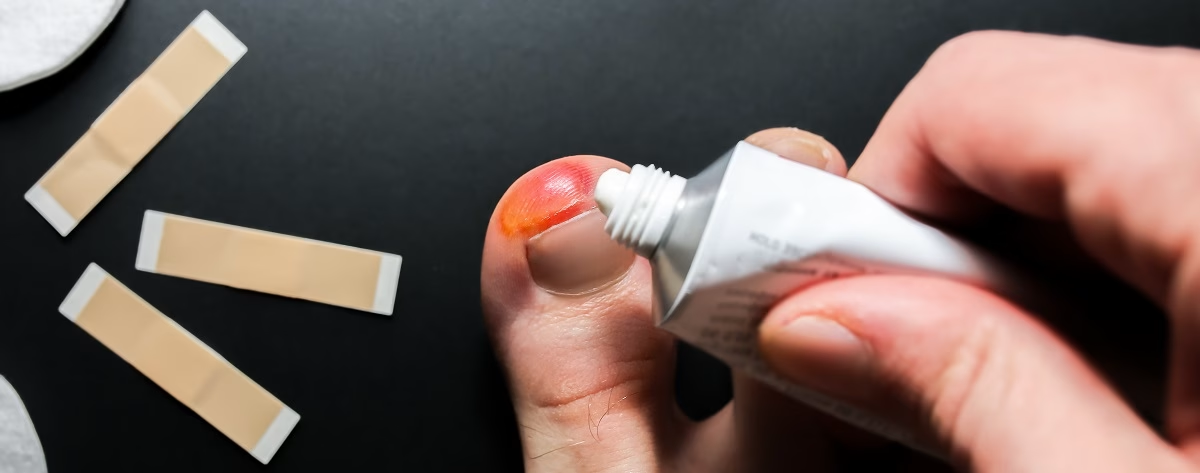
In most cases, doctors prescribe antibiotics to treat nail infections. These medicines help destroy bacteria that cause infection and ease the symptoms. It is very important to take antibiotics exactly as recommended by your doctor. Otherwise, the bacteria can become resistant to a specific antibiotic, and the infection becomes more difficult to treat. Doctors may also drain the pus if it begins to build up around the nail bed. To drain the pus, they often make a small cut near the affected area.
Home Remedies
A mild form of paronychia can be treated at home. You should soak the affected area in warm water for approximately 15 minutes several times per day. It is also recommended to dry that area thoroughly. It helps drain pus under the skin. If your symptoms do not improve within a few days of home remedies, you should visit a doctor.
Frequently Asked Questions
What is the fastest way to get rid of paronychia?
The best way to treat this infection is to soak the affected area in warm water several times per day, apply prescribed topical antibiotics (such as Mupirocin), or use antifungals. However, sometimes, you may need to visit a doctor to drain the pus.
What is the cause of paronychia?
This condition is an infection of the nail often caused by germs (including bacteria, fungus, and yeast). These germs enter the skin through tiny cracks in the skin that appear due to hangnail picking, nail biting, aggressive manicures, or ingrown nails.
What can be mistaken for paronychia?
Sometimes, herpetic whitlow (a viral infection of the fingertip’s pulp and the perionychium) can be mistaken for acute bacterial paronychia. If you have additional questions, ask your healthcare provider.