
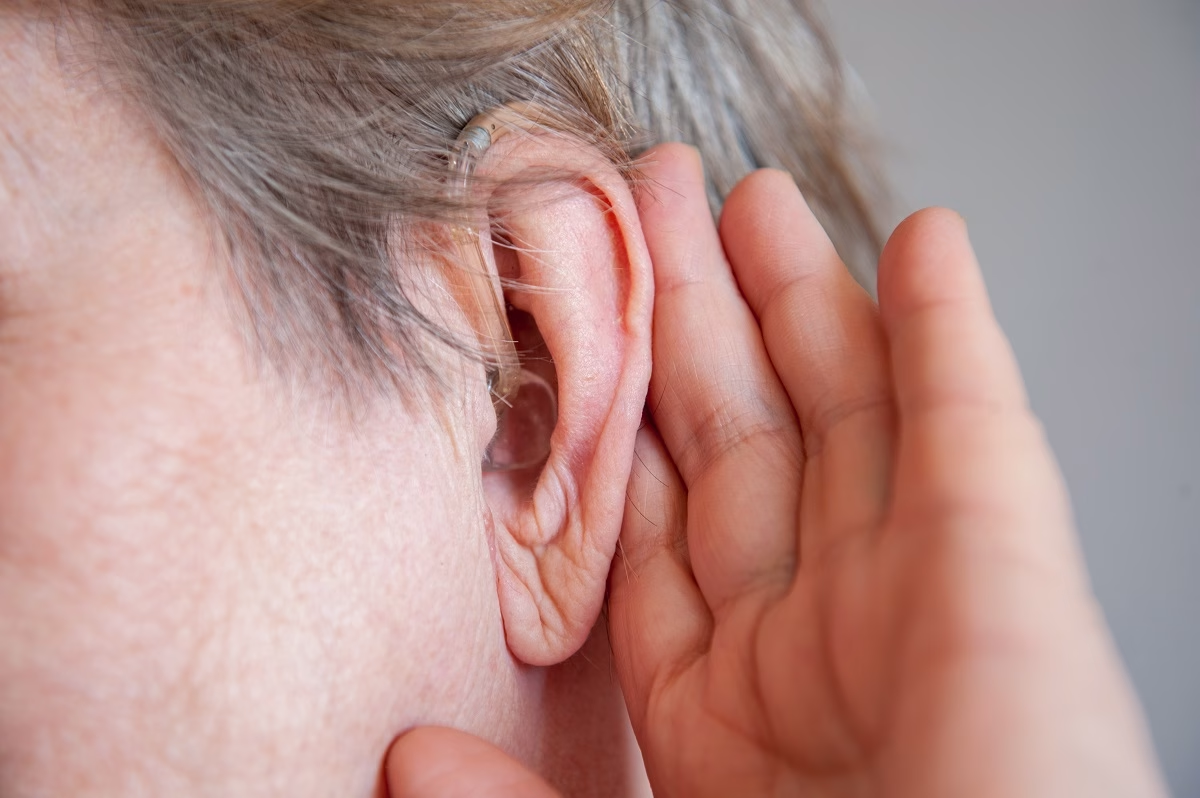
A condition in which the abnormal bone growth in the middle or inner ear affects the sound’s ability to travel is called otosclerosis. Depending on the severity of the condition, people can develop mild, moderate, or severe hearing loss. Healthcare professionals usually recommend the following treatments for people with otosclerosis. These include hearing aids, cochlear implants, or stapedectomy.
Usually, this condition occurs when irregular bone remodeling or growth occurs in the middle ear (rarely in the inner ear). In general, bone remodeling is a lifelong process in which an existing bone restores itself multiple times. However, in people with otosclerosis, this bone interacts with the sound’s ability to travel through the ear.
While people with otosclerosis may develop mild symptoms, it may sometimes lead to severe hearing impairment that results in permanent hearing loss (total deafness). In most cases, otosclerosis affects both ears, but one ear is often worse than the other.
About 3 million people have otosclerosis in the U.S. Moreover, it is the most common cause of middle ear mechanical hearing loss among young adults. Sometimes, otosclerosis can run in families.
Symptoms
In most cases, hearing problems in people with otosclerosis appear slowly over time. Those who suffer from this condition may notice that they no longer hear whispering or low-pitched tones or sounds. Most people with otosclerosis finally develop severe hearing loss in both ears. Only 10% to 15% of people diagnosed with otosclerosis have hearing problems in one ear. Check below for other possible symptoms of this disorder:
- Tinnitus (ringing in the ears)
- Dizziness
- Vertigo
- Balance problems
Usually, people with otosclerosis speak quietly because their voice sounds loud to them. Do not hesitate to see a doctor if any of the previous symptoms occur.
Causes and Risk Factors
Normally, the ear contains 3 small bones (ossicles) that vibrate to amplify the sound waves that pass through them. It helps send sounds to the cochlea in the inner ear, where they are converted into electrical signals before going to the brain. This disorder often occurs when the stapes bone (a small triangular bone in the middle ear) interferes with the surrounding bone tissue. Thus, the sound cannot travel effectively.
However, physicians have identified some factors that may increase your risk of developing otosclerosis. Examples include:
- Family history – The risk of developing otosclerosis significantly increases if you have a parent or sibling with this condition.
- Sex – Women are more likely to develop otosclerosis compared to men.
- Age – Most diagnosed cases occur in people between the ages of 20 and 45.
- Race – In general, white people have an increased risk of developing otosclerosis.
- Pregnancy – Otosclerosis may occur in pregnant women, especially if they have risk factors.
- Osteogenesis imperfecta (OI) – This is a condition that may also increase your risk of otosclerosis. Sometimes, it is called brittle bone disease.
What Are The Potential Complications of Otosclerosis?
People with this condition may also experience some complications, especially if they develop a severe form or do not get treatment. Check below some examples:
- Progressive hearing loss
- Permanent deafness
- Dizziness and problems with balance
- An increased risk of infections and bleeding
- Blood clots
- Nerve damage
The previous list does not contain a full list of otosclerosis complications. However, you can consult with your doctor about ways to reduce the risk or even prevent the previous complications.
How to Prevent Otosclerosis?
Unfortunately, there are no preventable risk factors for otosclerosis. However, you can take some steps to reduce the risk. For more details, discuss it with your healthcare professional.
Diagnosis
When doctors suspect otosclerosis, you can be referred to an otolaryngologist. Therefore, they will exclude other disorders that cause similar symptoms to otosclerosis. They may also perform some hearing tests to determine the extent of hearing loss. These include:
- Audiogram – This test is used to measure hearing across a range of frequencies.
- Tympanogram – It is used to determine how well your eardrum works.
Sometimes, doctors may also perform an imaging test, such as a CT (computerized tomography) scan, to get more details about the bones and tissues inside the ear.

Treatment
The treatments for people with otosclerosis are different because they depend on several factors. For example, the location of the irregular bone, the severity of the disease, existing health issues, age, and preferences. Sometimes, people can improve their hearing with hearing aids only. In more severe cases, doctors may recommend a cochlear implant or stapedectomy (a type of surgery).
Hearing Aids
This treatment involves specific devices that amplify the sounds around you, which helps you hear better. Usually, audiologists customize the settings on the hearing aid according to your needs. Unfortunately, these devices can improve your hearing, but cannot stop the progression of the disease. That’s why you may need to adjust hearing aids regularly.
Stapedectomy
This is a medical term used to describe otosclerosis surgery. During this procedure, surgeons will place a prosthesis in the middle ear. It helps allow sound waves to travel to the inner ear, which eventually improves hearing. If the condition negatively affects both ears, doctors will perform this surgery gradually. It means they will perform surgery on one ear and after about 6 months on the other one.
Cochlear Implants
In general, the cochlea is a spiral, fluid-filled structure located in the inner ear, and it helps with hearing. Doctors often recommend cochlear implants for people with cochlear otosclerosis because they bypass the inner ear structures and make a new pathway for sounds. Therefore, these sounds can travel to the brain.
Frequently Asked Questions
How fast does otosclerosis progress?
The worsening of the condition often varies among people. While sometimes the condition worsens gradually over time, some people may notice sudden hearing loss. It is very important to visit a healthcare professional if you experience sudden changes in hearing. Otherwise, you are at increased risk of developing permanent hearing loss in the affected ear.
How do you fix otosclerosis?
Unfortunately, there is no way to cure this condition. That’s why the treatment goal is to reduce the progression of the disease and improve your hearing. In some cases, doctors do not prescribe treatment until the symptoms worsen.
What happens if otosclerosis is left untreated?
You can experience some complications because this disorder worsens over time or if you do not get treatment. These include cochlear otosclerosis, permanent hearing loss, dizziness, an increased risk of infections, and others. Ask your healthcare provider if you have any other questions.