Clocal exstrophy (also known as OEIS syndrome) is a disorder that occurs during pregnancy. It negatively affects the baby’s urinary, respiratory, and digestive systems. Therefore, it may cause the bladder to develop inside out and some organs to push through a hole in the abdominal area. Some people with this syndrome may also experience problems with their genitals and anus. The primary treatment for OEIS syndrome is a series of surgeries.
In other words, this is a rare congenital (present at birth) disorder that negatively affects the development of the abdominal wall, intestines, and urinary bladder during pregnancy. Moreover, newborns with OEIS syndrome may also have other abnormalities at birth. For example, irregularities in the abdominal organs, the anus/rectum, the genitals (penis or vagina), the spinal cord, and the lower limbs. In some cases, this condition is also called OEIS complex.
What is OEIS’s Meaning?
Mostly, doctors use the term “OEIS” because this syndrome causes the following disorders. For example:
- Omphalocele – This condition occurs when the abdominal wall does not develop properly. It often includes a hole near the belly button. Some organs may come out of this hole.
- Exstrophy of the bladder and rectum – It causes the bladder to open like a flat plate instead of a hollow sphere and split into halves. Furthermore, the pelvic bones do not join properly, the rectum and colon may also open and split in half, and the intestines and internal reproductive organs may have extra parts.
- Imperforate anus – The last part of the digestive system (the anus), where the stool leaves the body, does not form correctly. Moreover, the bowels may be shorter than usual, which negatively affects the body’s ability to absorb nutrients.
- Spinal defects – Infants with this syndrome may also have spina bifida. This condition causes the spinal cord to remain open, which allows a sac of fluid to bulge through this opening. In general, spina bifida negatively affects the nerves to the bladder, bowels, and legs.
Symptoms
Usually, the symptoms of this syndrome are visible at birth. Check below some examples:
- Organs in a sac are coming through an abdominal opening
- Exposed and open bladder and intestines in the lower abdominal area
- Abnormal opening in the lower back where you can see the spinal cord
- The scrotum and penile are split into two halves
- The clitoris and labia also split into 2 parts, and there may be extra vaginas and uteruses
If your child develops OEIS syndrome, he/she may need multiple surgical interventions to fix the previous problems. For more details, discuss it with your healthcare professional.
Causes
Experts do not fully understand why this syndrome occurs. That’s why there is no way to prevent or reduce the risk of OEIS syndrome. However, physicians have identified that something is happening during the first trimester of pregnancy that causes the cloacal membranes to tear or break apart. The part where the reproductive, digestive, and urinary systems come together in both men and women is called the cloaca. Normally, this membrane separates the organs in these systems, but in people with OEIS syndrome, this membrane tears or breaks apart. As a result, the baby’s abdominal wall does not develop completely. It also affects the development of the organs in the abdominal area, and some of them can poke through an opening in the belly (abdomen).
What Are The Possible Complications of OEIS Syndrome?
Those who develop OEIS syndrome may also experience the following complications, especially if the condition is left untreated. Check below some examples:
- Urinary or fecal incontinence (inability to control the poop or pee)
- Paraplegia (difficulties with walking and muscle strength)
- Kidney stones, infections, or failure
- Chronic kidney disease (CKD)
- Sexual dysfunction, including erectile dysfunction (ED)
- Infertility in both men and women
- Constipation
- Shortened intestines
- Skeletal abnormalities (such as spina bifida)
This document does not contain a full list of OEIS syndrome complications. Talk with your doctor about measures to reduce the risk of developing them.
Diagnosis
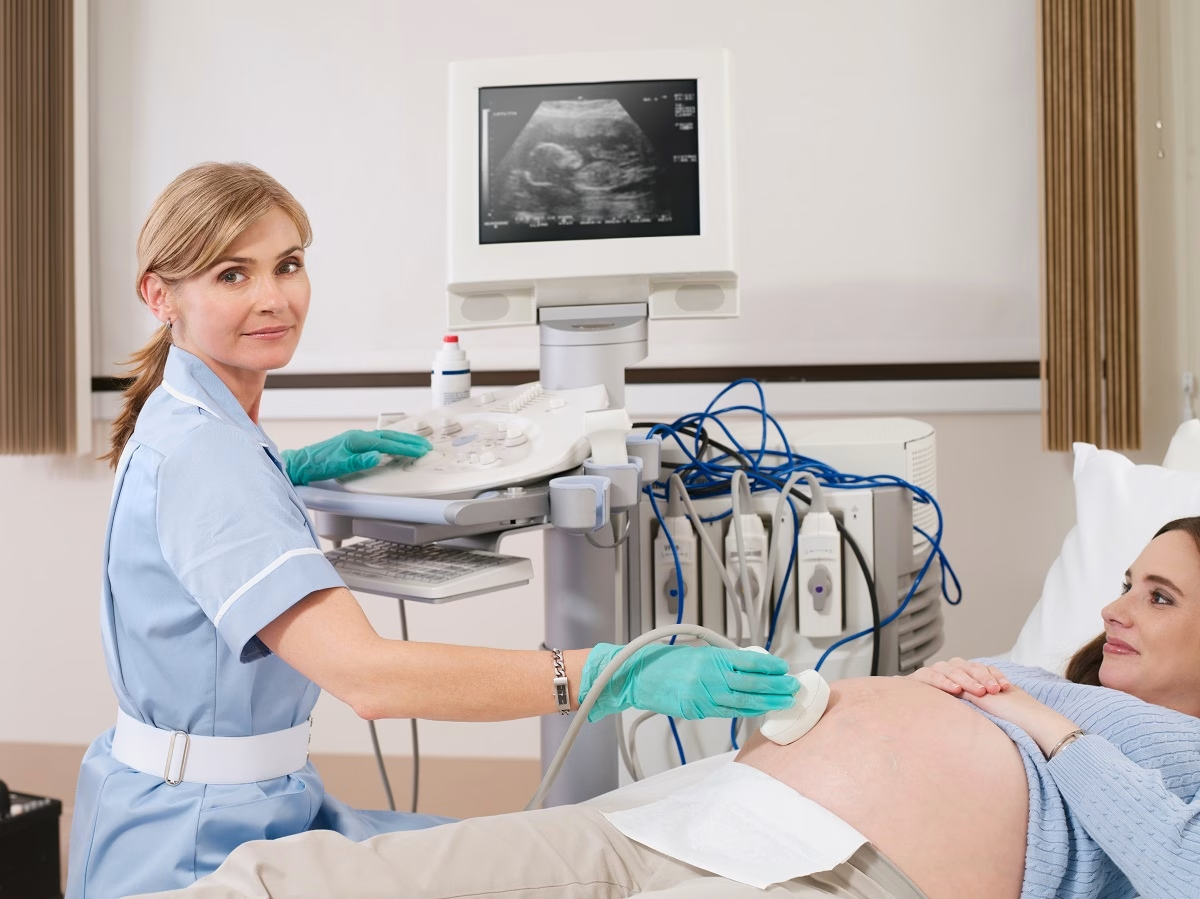
This condition can be diagnosed during pregnancy through a prenatal ultrasound. Sometimes, doctors may perform an MRI (magnetic resonance imaging) scan to get more detailed information about the fetal organs. These imaging tests can reveal:
- The improper filling or emptying of the bladder
- Small penis
- Widely separated pelvic bones
- The umbilical cord sits lower than it should on the fetus’s abdomen
- Exposed spinal cord
- Abnormalities in the abdominal wall with a bulging sac that may contain organs
In addition, healthcare professionals may also perform additional imaging tests to determine how severe the disorder is.
Treatment
All people born with OEIS syndrome need reconstruction surgery. This treatment often lasts for years because people with this syndrome need multiple procedures. These surgeries help put the baby’s organs in their normal place and close the abdominal and spinal holes. Check below some treatments that are performed soon after birth:
- Surgery to place the bladder in the proper place (back into the abdominal cavity)
- Surgeons may also make a temporary opening (stoma) in the abdominal wall to allow the large intestine to empty poop into a bag outside the body. Your baby may need a colostomy bag until they get other reconstruction interventions.
- Procedures to repair the spinal cord and close the back.
Those who were born with OEIS syndrome also need treatment during childhood. For example:
- Osteotomy – During this treatment, surgeons will cut and realign the pelvic bones. It helps close and support the bladder more easily.
- Procedures to reconstruct the genitals and close the bladder.
- Pull-through surgery – During this procedure, surgeons will connect the large intestine to the rectum and then close the stoma. Thus, your child no longer needs a colostomy bag.
Recovery
The recovery time varies among people with OEIS syndrome. It depends on how many surgeries they need, their response to treatment, and other factors. In general, the goal of the treatment is to protect kidney function, reduce the frequency of urinary tract infections (UTIs), and develop strategies for urinating and defecating.
Frequently Asked Questions
What can I expect if my child has this condition?
This syndrome is a complex disease that may cause multiple feelings. You may feel scared or helpless, but a healthcare team may help treat these problems. Usually, the team includes:
- Pediatric surgeon, urologist, and neurosurgeon
- Psychologist
- Genetic counselor
- Social worker
- Physical therapist
- Pediatric gastroenterologist
What is the difference between bladder exstrophy and cloacal exstrophy?
Generally, bladder exstrophy is a type of cloacal exstrophy. Usually, bladder exstrophy affects the bladder and external genitals only, but cloacal exstrophy is a more severe disorder that affects more parts of the body, including the bladder, genitals, spinal cord, and intestines.
What is the survival rate for the OEIS complex?
This condition occurs quite rarely, and it affects about 1 in 200,000 to 400,000 live births. New neonatal and surgical procedures increase the survival rates up to 100%, but usually with prominent morbidities. If you have additional questions, ask your healthcare provider.