
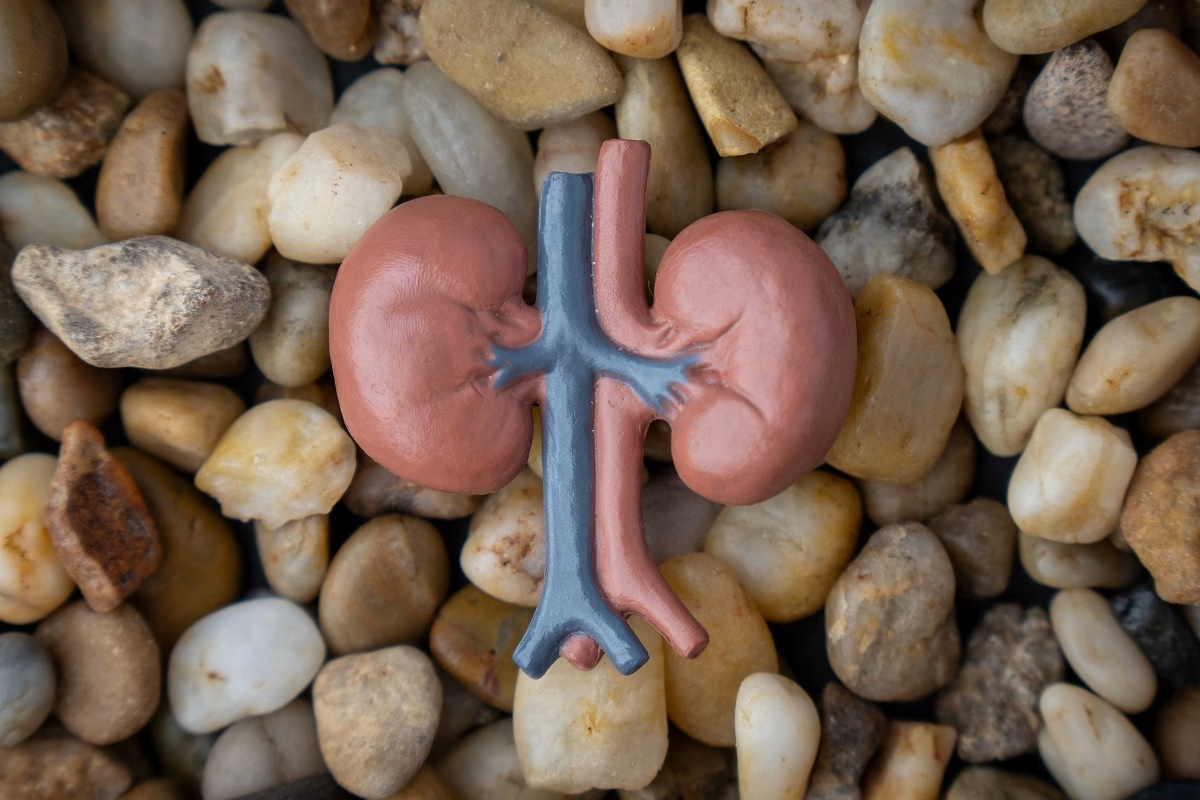
A health condition in which compression of the left renal (kidney) vein occurs is called nutcracker syndrome. It often happens between the abdominal aorta and the superior mesenteric artery. While the most common symptoms are blood in the urine (also known as hematuria) and flank pain, it may also cause other symptoms. Doctors often treat this syndrome with minimally invasive procedures that usually help ease pressure on the renal vein.
Normally, the vein carries blood back to the heart muscle where it gets oxygen. In people with nutcracker syndrome, the structure of the blood vessels puts extra pressure on one of the veins. Moreover, this syndrome is a type of extrinsic vein compression syndrome. In addition, this condition increases blood pressure in the renal vein and forces blood to flow in the wrong direction. Thus, nearby veins may swell, causing symptoms and sometimes complications.
Anatomy
In general, to better understand this condition, we should know more about the location of the left renal vein and where it travels through the body. It leaves the left kidney and then travels toward the inferior vena cava, which is a large vein that collects oxygen-poor blood from multiple veins in the body and then returns it to the heart muscle. To reach this large vein, the left renal vein has to pass between two major arteries in the abdomen (belly). These arteries are known as the abdominal aorta and the superior mesenteric artery. In normal circumstances, there is enough space for this vein to pass between them.
However, in people with nutcracker syndrome, there is not enough space for this renal vein. Most of the time, major aortas in the abdomen press into and squeeze the left renal vein. This process is called anterior nutcracker syndrome because compression occurs in front of the aorta. Moreover, this type of nutcracker syndrome is the most common form of the disease.
In rare cases, the compression happens behind the aorta, between the aorta and the spine. In such cases, the condition is called posterior nutcracker syndrome.
Name
The name of this condition comes from the two major aortae in the abdominal area that looks similarly to the two levers of a nutcracker. First, it was noticed back in 1937 by a researcher. Moreover, in describing anatomy, he said the left renal vein looked like “a nut between the jaws of a nutcracker”. However, this disease has a more formal name (left renal vein entrapment syndrome).
How Common is Nutcracker Syndrome?
In general, this condition occurs rarely, but researchers are not able to estimate the exact number of people with this disease.
Symptoms
Usually, people who develop nutcracker syndrome experience the following symptoms. These include:
- Hematuria (blood in the urine)
- Dizziness when you stand up, often caused by orthostatic hypotension
- Flank pain on the left side
The symptoms may also appear differently among people with this syndrome because it depends on some factors. For example, males may experience swollen veins in their scrotum (varicocele), but females may have symptoms similar to pelvic congestion syndrome. Examples include:
- Dyspareunia (pain during sexual intercourse)
- Pelvic pain
- Dysuria (pain during urination)
Check below also the clinical signs of nutcracker syndrome:
- Anemia (low red blood cell count)
- Microhematuria (microscopic amounts of blood in the urine)
- Proteinuria (increased levels of Protein in the urine)
If any of the previous symptoms occur, immediately contact your healthcare professional.
Causes and Risk Factors
This condition is caused by changes in the blood vessel anatomy. In some cases, these changes occur during pregnancy in the womb when these blood vessels are forming. Rarely, the changes that lead to nutcracker syndrome may occur due to growth spurts during adolescence or weight loss during adulthood.
While anyone may develop this condition, doctors have identified some factors that could increase your risk of developing it. Examples include:
- Anatomical variations (for instance, some people are born with a narrower angle between the aorta and superior mesenteric artery)
- Fast weight loss
- Puberty and growth spurts
- Pregnancy
- Body type – Usually, nutcracker syndrome is more common in tall and thin people (low body mass index).
- Spinal or kidney problems (such as nephroptosis)
- Pancreatic tumors
- Age – This condition affects children and adults up through their 60s. According to some research, nutcracker syndrome affects mostly people between their 20s and 30s.
- Hormonal changes
- Increased venous pressure due to other causes
What Are The Potential Complications of Nutcracker Syndrome?
While this condition can cause mild or no symptoms, some people may experience some complications, especially if nutcracker syndrome is left untreated. Check some examples below:
- Blood clots in the renal vein
- Kidney damage
- Male or female infertility
- Severe pain that affects your quality of life
- Chronic hematuria and proteinuria
- Treatment complications – These include hematoma, DVT (deep vein thrombosis), bowel problems, pelvic congestion, and others
The previous list does not contain a complete list of complications. However, it is possible to consult with your doctor about measures to reduce the risk of developing them. Additionally, it is not possible to prevent this condition because it often occurs randomly and does not run in families.
Diagnosis
Usually, doctors diagnose nutcracker syndrome by excluding other conditions that cause similar symptoms. In any case, the diagnosis starts with a physical examination to check for irregularities linked to the disease. Thereafter, they may ask some questions about the symptoms and medical history and perform some tests. These include:
- Blood tests
- CT (computerized tomography) scans
- Doppler ultrasound
- Intravascular ultrasound (IVUS)
- MRI (magnetic resonance imaging) scans
- Venogram
- Urinalysis

Treatment
The treatment is often different among people with this disease because it depends on some factors. Examples include the severity of the condition, overall health, gender, age, and preferences. Check some treatment options often recommended by doctors below:
Conservative Management
Most people under 18 years old need a conservative approach for up to 2 years. It involves monitoring the situation and helping the child gain weight. It often involves ACE inhibitors and Aspirin.
Surgery
The following procedures are often prescribed by doctors when a person has severe symptoms and conservative options do not work. In any case, you can talk about surgery risks and benefits before choosing this treatment. In general, the surgery goal is to open the pathway for blood flow from the kidney to the heart. Check some surgeries and procedures below:
- Renal vein transposition – During this procedure, surgeons will move the left renal vein and attach it to the inferior vena cava at a different location. It changes the way the renal vein travels between the 2 major aortas in the abdomen.
- Stent insertion – This is a minimally invasive procedure that involves a stent in the left renal vein. It helps keep it open, which allows blood flow through it.
- Renal autotransplantation surgery – This procedure involves the removal of the kidney and re-implantation to a new location (such as near the hip bone).
Frequently Asked Questions
Is nutcracker syndrome surgery serious?
Each surgery used to treat nutcracker syndrome carries its own risks. For instance, renal autotransplantation is the most invasive surgery, and the most common complications it causes include kidney failure and bleeding. For more details, discuss it with your doctor.
What is the outlook for people with nutcracker syndrome?
In general, the outlook for children is good. Commonly, they feel better without invasive treatments. However, the prognosis for adults varies based on the severity of the symptoms and their response to treatment.
When should I see my healthcare provider?
If you notice your symptoms worsen or if you experience new symptoms, immediately visit a doctor. You should also keep all your follow-up appointments. If you have any other questions, ask your healthcare provider.