

A type of blood cancer that develops in the lymphatic system is called non-Hodgkin lymphoma (NHL). These cancerous cells begin to develop in B-cell and T-cell lymphomas. In most cases, the tumor begins to develop in the lymph nodes, but can spread to the lymphatic system or other organs in the body. While some types of non-Hodgkin lymphoma are curable, most of them require long-term treatment or management.
In general, there are three types of blood cancers. The first type starts in the white blood cells called lymphocytes (lymphoma), which are important immune system cells that help destroy germs and viruses. The second type is leukemia that negatively affects blood-forming tissues (such as bone marrow). And the third main type of blood cancer is myeloma, which affects plasma cells in the bone marrow. In people with non-Hodgkin lymphoma, the tumor begins to develop in T-cell or B-cell lymphocytes. In most cases, the tumor forms in the lymph nodes, but may also develop in the lymph system organs, such as the spleen, thymus, or lymph tissue.
Nowadays, people with this type of blood cancer live longer because of new treatments. Sometimes, doctors may even cure this condition, but when it is not possible, doctors try to put it into remission for as long as possible.
Non-Hodgkin lymphoma is the 8th most common cancer diagnosis, with about 80,000 new cases in the U.S. in 2024. Furthermore, it is the 11th most common cancer in the whole world.
Types of Non-Hodgkin Lymphoma
Generally, there are more than 70 subtypes of non-Hodgkin lymphoma, which are classified by doctors in the following ways. For example:
- B-cell lymphoma – In such cases, cancerous cells develop in B cells. These are important cells of the immune system that produce antibodies to fight germs. Approximately 85% of diagnosed cases are B-cell lymphomas.
- T-cell lymphoma – This type of non-Hodgkin lymphoma begins to develop in the T cells that target germs and other foreign cells. They also help B cells produce antibodies.
This type of blood cancer can be aggressive or indolent. While aggressive form spreads quickly, the indolent form of non-Hodgkin lymphoma is a slow-growing tumor that is less likely to spread. In most cases, people with an aggressive form of this blood cancer need more intensive treatments.
Symptoms
In general, the most common symptom of non-Hodgkin lymphoma is a painless swelling in the neck, armpits, or groin. If you have swollen lymph nodes, you should see a doctor for testing. Usually, the symptoms are different among people because it depends on where the tumor develops. Check below for some additional symptoms of non-Hodgkin lymphoma:
- Cough
- Abdominal (belly) pain or swelling
- Chest pain
- Extreme tiredness
- Bloating
- Dyspnea (shortness of breath)
- Night sweats
- Unusual weight loss (usually, people with this type of blood cancer lose about 10% of their weight over 6 months)
- Unexplained fever – Those who suffer from this type of blood cancer may experience a fever above 103 degrees F (39.5 degrees C) that lasts several days
If any of the previous symptoms occur, you should inform your healthcare professional right away. However, if you have one or more of the previous symptoms does not necessarily mean you have non-Hodgkin lymphoma.
B Symptoms
Typically, doctors consider you to have B symptoms when they diagnose lymphomas. These include fever, night sweats, and unexplained weight loss.
Causes and Risk Factors
This type of blood cancer appears when the body produces too many lymphocytes, including B cells, T cells, or natural killer (NK) cells (rarely). A contributing factor is “acquired” mutations that also negatively affect the lymphocyte growth. The term “acquired” means you develop genetic mutations during your lifetime instead of getting them during pregnancy from one of the biological parents.
When a person develops mutations (changes) in lymphocytes, they begin to multiply and grow abnormally, which eventually become tumors. If a tumor in the lymphatic system grows large enough and you do not get treatment, it may spread to other structures and organs in the body.
Additionally, healthcare professionals have identified some risk factors for non-Hodgkin lymphoma. In general, a risk factor is an activity, trait, or condition that elevates your risk of developing a specific disease. Check some of them below:
- Older adults (over 60 years old)
- Race – This type of blood cancer is mostly diagnosed in white people.
- Gender – Non-Hodgkin lymphoma often affects men.
- Immune system deficiencies – If you are administering immunosuppressants or have an HIV infection, the immune system may become weakened, which significantly increases the risk of NHL.
- Autoimmune disorders – These include rheumatoid arthritis, psoriasis, inflammatory bowel disease (IBD), and other rheumatologic conditions.
- Infections – Usually, viral and bacterial infections are linked to NHL, including H. pylori infection, human T-lymphotropic virus Type I, hepatitis C, and Epstein-Barr virus.
- Prolonged exposure to pesticides – According to some research, people who are exposed to pesticides for long periods are at increased risk of developing non-Hodgkin lymphoma.
- Family history – Your risk of developing this type of blood cancer significantly increases if you have a sibling or parent with this cancer.
How Do I Take Care of Myself?
Healthcare providers may recommend the following tips that will help to manage the symptoms of NHL. Check some examples below:
- Dietary changes – You should eat well to maintain strength. For more details, consult with a dietician.
- Rest as much as you can – This is also an important part of the NHL treatment because chemotherapy and other cancer treatments may make you feel worn out.
- Manage stress – In general, it is not easy to live with NHL because it negatively affects your daily life.
- Physical exercise – Doctors often recommend physical exercise to keep your mind and body in shape.
- Seek palliative care
Diagnosis
Doctors often diagnose NHL by excluding other health conditions that cause similar symptoms. For instance, swollen lymph nodes are more likely to indicate an infection than NHL. Check below some tests and procedures often performed during NHL diagnosis:
- Physical examination – During this procedure, physicians will check for abnormalities linked to the cancer and may also ask some questions about the symptoms and your family history to get more clues about your disease.
- Blood tests – Doctors often perform a complete blood count (CBC) to check general health. Sometimes, blood tests are done to check for viruses linked to the non-Hodgkin lymphoma (such as Epstein-Barr virus).
- Imaging tests – The following tests are performed to get detailed images of different structures and organs in the body. In such cases, doctors often perform CT (computerized tomography) scans, MRI (magnetic resonance imaging) scans, PET (positron emission tomography) scans, or ultrasounds.
- Biopsy – During this test, doctors will remove a small sample of the tumor to check it under a microscope for cancerous cells.
- Immunophenotyping – This is a specific test used to determine specific NHL types and identify cancer cells based on the types of antigens.
Once you are diagnosed with NHL, doctors may perform additional imaging tests to determine the extent (stage of the cancer). It often helps make the best treatment plan for you.
Treatment
Doctors usually prescribe different treatments for people with NHL because it depends on some factors. These include the type, location, and severity of the cancer, existing health problems, age, gender, and preferences. Check below for the most common treatments recommended for people with NHL:
- Active surveillance – People with indolent NHL who do not have any symptoms, doctors may not recommend any treatment. It is called active surveillance or watchful waiting.
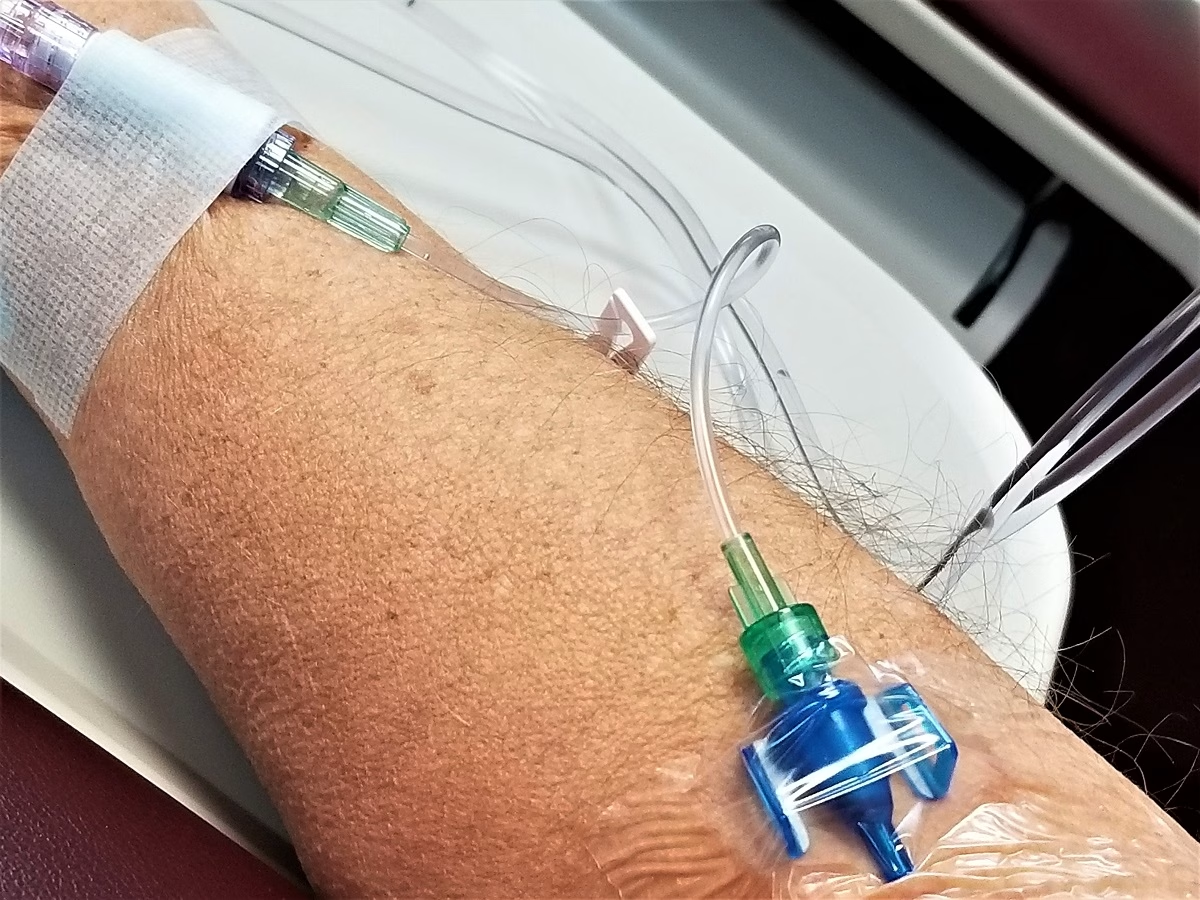
- Chemotherapy – This is one of the most common prescribed treatments for people with NHL, and it involves strong medications to destroy cancer cells throughout the body. It may also be prescribed along with one or more of the following cancer treatments.
- Targeted therapy – This therapy involves specific medicines that attack a protein in the cancer cells, causing them to die. One of the most common types used to treat people with NHL is monoclonal antibody therapy.
- Immunotherapy – Most cancerous cells produce specific chemicals that help them hide from the immune system. However, doctors may recommend immunotherapy to boost the immune system to find and destroy cancer cells. The most common type of immunotherapy prescribed for people with NHL is CAR-T cell therapy.
- Radiation therapy – This therapy uses powerful energy beams to destroy cancer cells. This energy often comes from X-rays or protons, but may also come from other sources. Sometimes, radiation therapy is the only treatment needed for people with indolent NHL.
- Chemotherapy with stem cell transplantation – This option involves high doses of chemotherapy drugs and stem cell transplantation. After you get chemotherapy drugs, doctors will replace damaged stem cells with healthy ones from a donor.
Frequently Asked Questions
What is the survival rate for non-Hodgkin lymphoma?
Generally, the 5-year survival rate for people with NHL in the U.S. is about 74%, according to the National Cancer Institute. In advanced cases, the same survival rate decreases to 63%.
When should I go to the ER?
You should call 911 or go to the nearest emergency room (ER) if you notice your symptoms are worsening or the treatment does not work.
What are the possible complications of non-Hodgkin lymphoma?
People with this type of blood cancer who do not get treatment may experience the following complications. Examples include infections, organ impairment, bleeding, superior vena cava syndrome, neurological problems, metabolic issues, and others. However, you can consult with your doctor about ways to reduce the risk or even prevent them. Ask your healthcare provider if you have any other questions.