
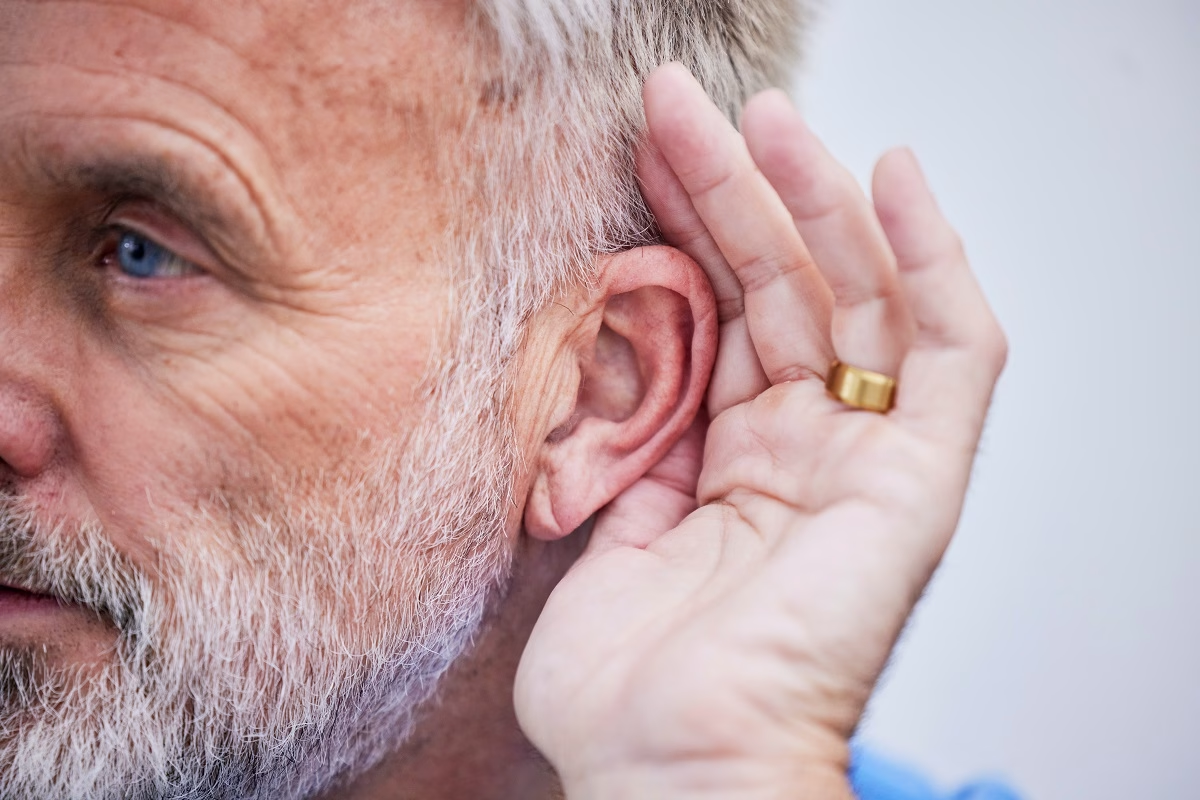
This condition occurs after exposure to harmful and loud noise. It is called noise-induced hearing loss (NIHL), and it can be temporary or permanent. In general, you can take some steps to reduce the risk or even prevent NIHL by wearing ear protection when necessary.
In other words, this condition occurs when loud noises cause damage to the inner ear. In most cases, the sounds in our everyday environment (such as TV, traffic, and ambient environments) are at a safe level, but there are some sounds that can cause damage. For example, sounds from explosions or machinery.
In general, NIHL occurs commonly, and it affects about 5.2 million children and teens between the ages of 6 and 19. Moreover, it also affects about 26 million adults between the ages of 20 and 69, according to research.
Symptoms
In general, there are a few things that could mean you are losing your hearing from loud noise. The symptoms can appear suddenly or over time, depending on the cause. Check the most common symptoms of NIHL below:
- A feeling of fullness or pressure in the ear
- Distorted or muffled speech
- Difficulty hearing high-pitched sounds (such as bird singing)
The symptoms may last from minutes to days, depending on when the loud noise ends. Usually, after a loud noise, the hearing returns to normal, but you still have damage. However, continuous exposure to loud noises may cause permanent hearing loss. That’s why you should visit a doctor as soon as possible if any of the previous symptoms occur.
Causes and Risk Factors
This type of hearing loss occurs when loud sounds cause damage to hair cells in the inner ear. Thus, these cells cannot heal or regenerate (grow back). Moreover, anyone may develop NIHL, but doctors have identified some factors that may increase your risk of developing it. Usually, people who have the following jobs are at higher risk of NIHL. For example:
- Agriculture
- Military
- Mining
- Construction
- Carpentry
- Oil or gas extraction
If you have any of the jobs listed above, you should wear hearing protection (such as earplugs or earmuffs) to reduce the risk. However, you should not miss out on concerts, fireworks, and other things you like, but it is recommended to give your ears a little TLC (total listening care).
Types of Noise-induced Hearing Loss
Doctors have divided this condition into 2 groups depending on the cause. For example:
- Acoustic trauma – This type causes instant hearing loss that occurs even after a single exposure to loud and forceful sounds (such as a gunshot or firecracker). This type of NIHL is dangerous because it can cause immediate and permanent hearing loss.
- Chronic NIHL – In such cases, the condition occurs due to gradual exposure to less forceful noise over time (such as damage caused by listening through headphones). It may take weeks, months, and even years to notice the symptoms.
What Decibel Level Causes Noise-induced Hearing Loss?
The unit used to measure the degree of loudness or the intensity of a sound is known as a decibel. For instance, noises above 85 decibels (dB) cause damage to the hearing over time, but loud noises at or above 120 decibels (dB) may cause sudden and permanent hearing loss. Check below some examples of everyday noises and their sound level measured in decibels:
- Breathing (10 dB)
- Whispering (30 dB)
- Air conditioning (60 dB)
- Washing machine (70 dB)
- Gas-powered lawnmower (80 dB)
- Motorcycle (95 dB)
- Max level of most music players (110 dB)
- Nearby emergency siren (120 dB)
- Gunshot (140 dB)
- Firecrackers (150 dB)
What Are The Possible Complications of NIHL?
In general, problems with hearing may have a noticeable impact on your quality of life. For instance, you may feel less sociable and more frustrated. Check below some NIHL complications that people often experience when they leave it untreated:
- Hypertension (high blood pressure)
- Increased heart rate
- Hyperacusis
- Fatigue (extreme tiredness)
- Mental health problems (such as depression, anxiety, and others)
- Irritability
- Stress
- Tinnitus (ringing in the ears)
- Sleep disturbances (insomnia)
- Cognitive decline (including problems with focusing and concentration)
- Social isolation
- Permanent hearing loss
The previous list does not contain all possible NIHL complications. In any case, you can consult with your physician about ways to reduce the risk or even prevent them.
How to Prevent Noise-induced Hearing Loss?
While it is not possible to reverse existing damage, you can reduce the risk for future deterioration. Check below some guidelines that may help prevent NIHL:
- Wear hearing protection – Doctors often recommend getting earplugs for concerts and other loud activities.
- Move far away from loud noise if you are not able to protect your ears.
- Protect your children’s ears until they are old enough to do it themselves.
Some recent studies have shown that it is possible to determine the susceptibility to NIHL by measuring temporary hearing loss (also known as temporary threshold shift or TTS). It helps determine how quickly the cells in the inner ear recover after noise exposure.
Diagnosis
If your healthcare professional thinks you may have NIHL, you can be referred to an audiologist or otolaryngologist for further testing. In general, there are multiple tests to diagnose noise-induced hearing loss. These include:
- Pure-tone testing – This test helps find the quietest volume you can hear at different pitches.
- Speech audiometry – This test is used to determine how loud speech needs to be for you to hear it.
- ABR (auditory brainstem response) – Doctors often perform this test to check how your brain and hearing nerves respond to different sounds.
- Speech in noise testing – During this procedure, doctors will determine how well you hear someone speaking in quiet surroundings versus environments with background noise.
- Optoacoustic emissions – It helps measure hair cell function in the inner ear.
- Tympanometry – It is used to measure how your eardrum moves and how well your middle ear works.
Treatment
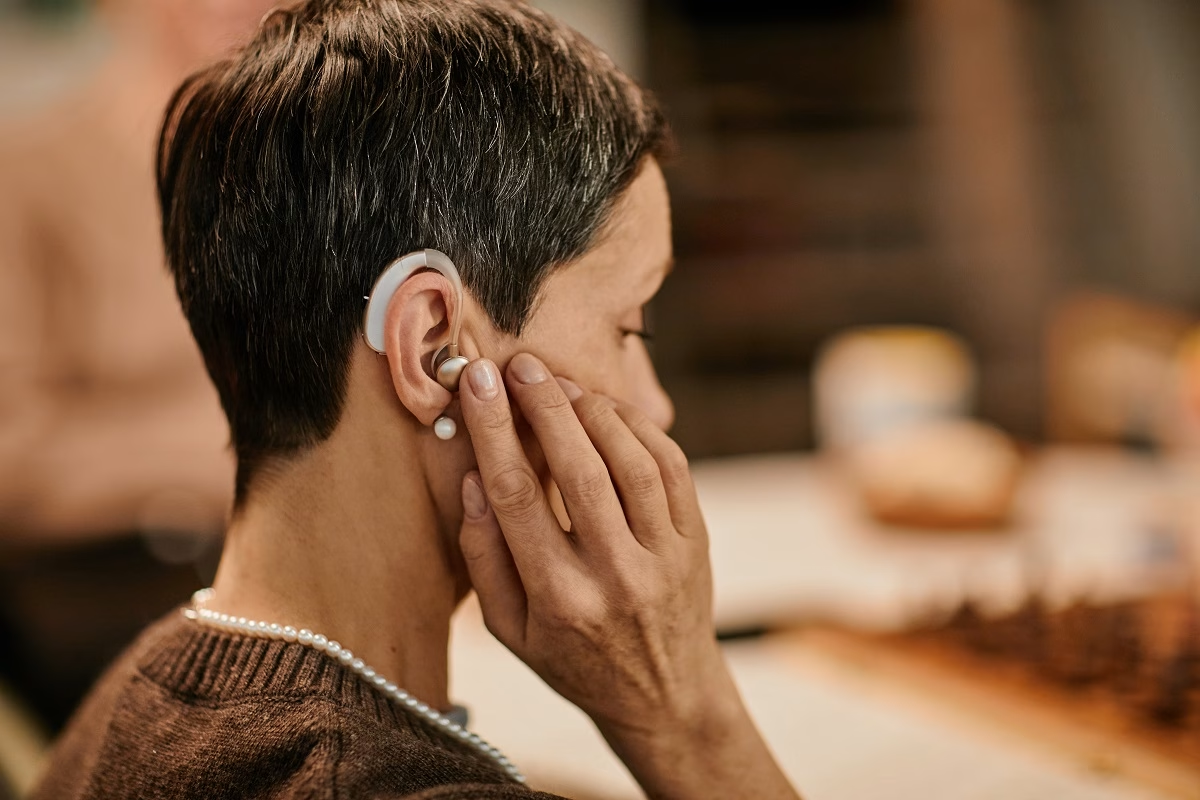
The primary treatment for people with NIHL is hearing aids. However, if NIHL worsens over time, doctors may recommend other options (such as cochlear implants). Sometimes, doctors prescribe corticosteroids to relieve the symptoms. Usually, corticosteroids help reduce inflammation if NIHL is caused by acoustic trauma.
Frequently Asked Questions
Can noise-induced hearing loss be cured?
Unfortunately, there is no way to recover existing damage, but doctors may prescribe treatments to improve your hearing. Do not hesitate to see a doctor if you think you may have NIHL.
When should I see my healthcare provider?
It is important to visit a doctor if you notice the following changes. For example:
- Tinnitus (ringing in the ears)
- Any hearing changes
- Sudden and quickly worsening of the hearing loss
What can I expect if I have noise-induced hearing loss?
It is important to protect your ears, especially if you already have NIHL. If you ignore the symptoms or do not get treatment, it may lead to permanent hearing loss. Ask your healthcare provider if you have any other questions.