
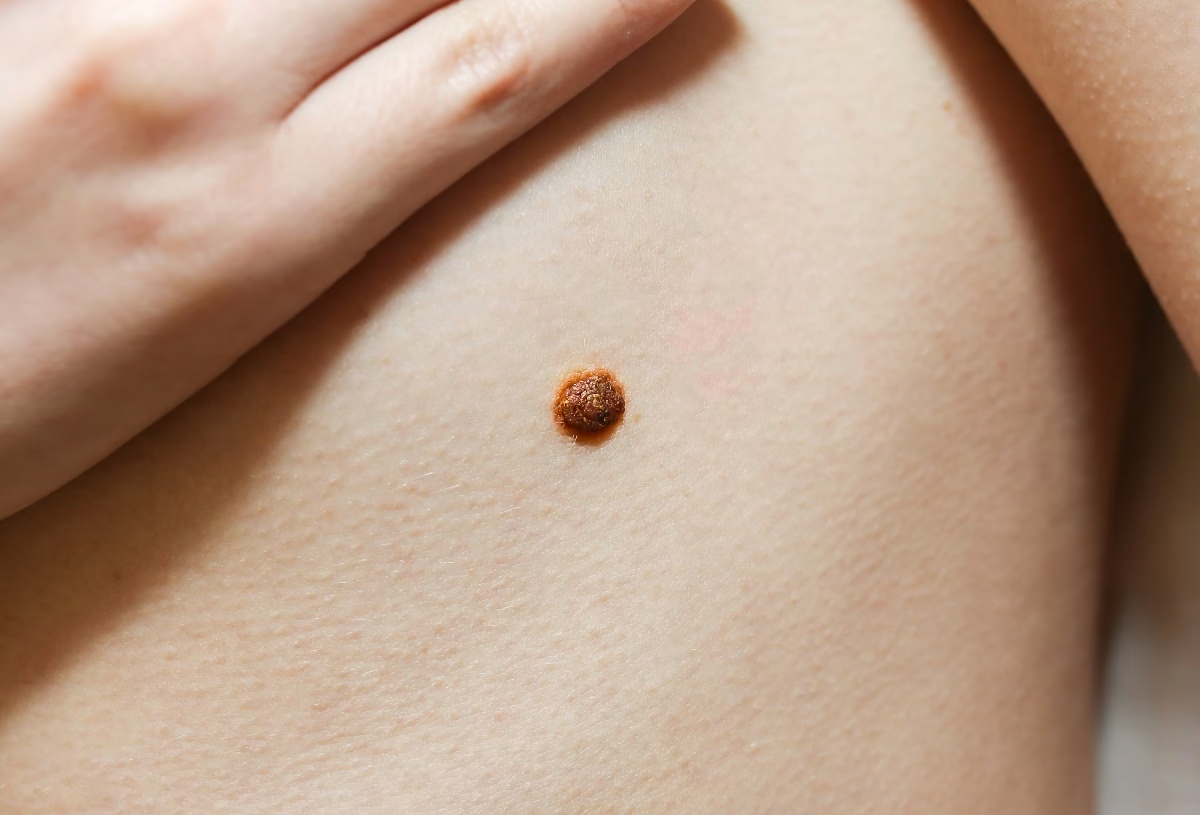
A type of skin cancer that often appears on the skin and looks like a blood blister is called nodular melanoma. It is a firm, raised, and discolored growth on the skin that is often caused by overexposure to ultraviolet (UV) light. However, nodular melanoma may also occur due to other causes. Furthermore, nodular melanoma grows very quickly (over several weeks or months), and it appears above and below the skin (vertically). In most cases, it looks like an iceberg. Healthcare professionals have divided this type of cancer into the following stages. For example:
- Stage 0 (melanoma in situ) – This stage of the cancer means the tumor is only in the top layer of the skin (epidermis), and it has not spread from its primary position.
- Stage 1 – In such cases, the nodular melanoma is low-risk and still has not spread from its original position. Usually, it is less than 2 millimeters thick.
- Stage 2 – The second stage of nodular melanoma means the tumor is thicker than 2 millimeters and has specific features that indicate a high risk of recurrence.
- Stage 3 – In people with this stage, the nodular melanoma often spreads to nearby lymph nodes or skin.
- Stage 4 – This is the latest stage of nodular melanoma in which it spreads to more distant lymph nodes or skin. Sometimes, it may spread to internal organs.
How Common is Nodular Melanoma?
This is the second-most common form of melanoma, and it accounts for about 15% to 20% of all diagnosed cases. Moreover, it also causes approximately 50% of all melanoma-related deaths.
Symptoms
Usually, people who develop nodular melanoma may notice the following symptoms. Examples include:
- Discoloration (red, pink, brown, black, blue-black, or the same color as your skin)
- Smooth, crusty, or rough texture
- Bleeding
- Itching
- Stinging
In some cases, nodular melanoma may bleed if you poke, scratch, or squeeze it. Commonly, the nodular melanomas are hard or firm to the touch. Do not hesitate to visit a healthcare professional if any of the previous symptoms appear.
Causes and Risk Factors
Most people develop this type of melanoma due to overexposure to UV light. In normal circumstances, the skin contains melanocytes that produce melanin, which provides the color of your skin. If you are exposed to UV light for a long period, it may cause DNA changes in the melanocytes, which causes them to grow and multiply uncontrollably. Moreover, physicians have identified some factors that may elevate your risk of developing this type of melanoma. Examples include:
- Skin type and moles – Fair skin, light-colored eyes, many moles (especially atypical ones).
- Genetics – If you have a sibling or parent with nodular melanoma, your risk of developing it significantly increases.
- Immune system – If you receive cancer treatments or have health conditions that weaken your immune system, the risk of developing nodular melanomas also increases.
- Age and gender – Usually, men over 50 are associated with a higher risk.
- Personal history – It includes a history of sunburns, previous melanoma, or other skin cancers.
Complications
People who ignore the symptoms and do not get treatment may experience the following complications. Check some of them below:
- Ulceration and bleeding
- Pain and itching, which can cause localized soreness
- Lymph node involvement – This is a fast-growing cancer type that may affect nearby lymph nodes.
- Metastasis to the lungs, brain, bones, and other organs in the body
- Unexplained weight loss
- Nerve damage and pain
- Lymphedema
- Mental health problems (including anxiety and depression)
This document does not contain a complete list of complications, but you can consult with your healthcare professional about measures to reduce the risk of the previous ones.
How to Prevent Nodular Melanoma?
There are some tips that may help reduce the risk of developing nodular melanoma. These include:
- Avoid tanning beds and use a spray tan (cosmetic) instead
- Do not stay in the sun for long periods (especially between 10 a.m. and 4 p.m.)
- Wear hats with brims, sunglasses, long-sleeved shirts, and pants
- Use a broad-spectrum sunscreen with a skin protection factor (SPF) of at least 30. It should be applied regularly, especially if you are swimming or sweating.
- Use a lip balm with sunscreen
- Visit a doctor if you notice new growths or moles on the skin
Diagnosis
First, doctors will perform a physical examination to check for abnormal skin growths and the skin around the lymph nodes. Therefore, they will touch on the growth and may ask some questions about your symptoms and family history. Generally, to confirm or rule out a nodular melanoma, doctors perform a biopsy. During this procedure, they will remove a small sample of the growth for testing it under a microscope. Doctors will check for cancerous cells. Commonly, people get the results of a biopsy within 10 days.
Treatment
The treatment is often different among people with nodular melanoma because it depends on the stage of the cancer, existing health problems, age, and preferences. Check some treatments often recommended by doctors below:
Early-stage Treatments
In general, the priority is to cure the cancer, but doctors may want to stop the cancer from recurring and maintain your skin’s appearance. In most cases, they recommend surgery for people with an early-stage nodular melanoma. While it can be performed under local anesthesia, doctors may perform it under general anesthesia. During this procedure, surgeons will use a sharp knife (scalpel) to remove the nodular melanoma and some healthy tissue around it.
Late-stage Treatments
If the cancer has spread to other parts of the body, doctors may recommend additional treatments along with surgery. For example:
- Lymphadenectomy – This is a surgical procedure in which doctors will remove the lymph nodes near the nodular melanoma. It helps prevent the cancer from spreading to other parts of the body.
- Internal organ surgery – This treatment is used to remove the affected part of the body and prevent the cancer from spreading.
- Immunotherapy – This treatment involves specific medicines that boost the immune system to find and destroy cancerous cells. Most cancer cells produce specific chemicals that help them hide from the immune system.
- Targeted therapy – It is used to attack specific proteins in the cancer cells and destroy them. This treatment is often recommended by doctors when other options do not work.
- Chemotherapy – This option involves strong medications that destroy cancerous cells throughout the body. While it can be used to shrink a large tumor before surgery, doctors may prescribe it to destroy cancerous cells that may remain after surgery.
Frequently Asked Questions
How soon after treatment will I feel better?
Usually, it depends on the stage of the cancer and the treatments you will receive. Generally, people begin to feel better after surgery when skin begins to heal (in mild cases) or after stopping more serious cancer treatments, such as chemotherapy or targeted therapy.
How does nodular melanoma affect my body?
While this type of melanoma may develop anywhere on the body, it usually affects the arms, head (scalp), legs, and trunk (torso). It is important to know that nodular melanomas are larger than moles that you may have on the skin.
Can nodular melanoma look like a blood blister?
Yes, blood blisters often appear after something pinches the skin. As a result, the blood vessels are damaged or broken, causing blood to flow to the lower layers of the skin. It often causes you to notice a raised blister that may look brown, red, black, or the same color as your skin. If you have any other questions, ask your healthcare provider.