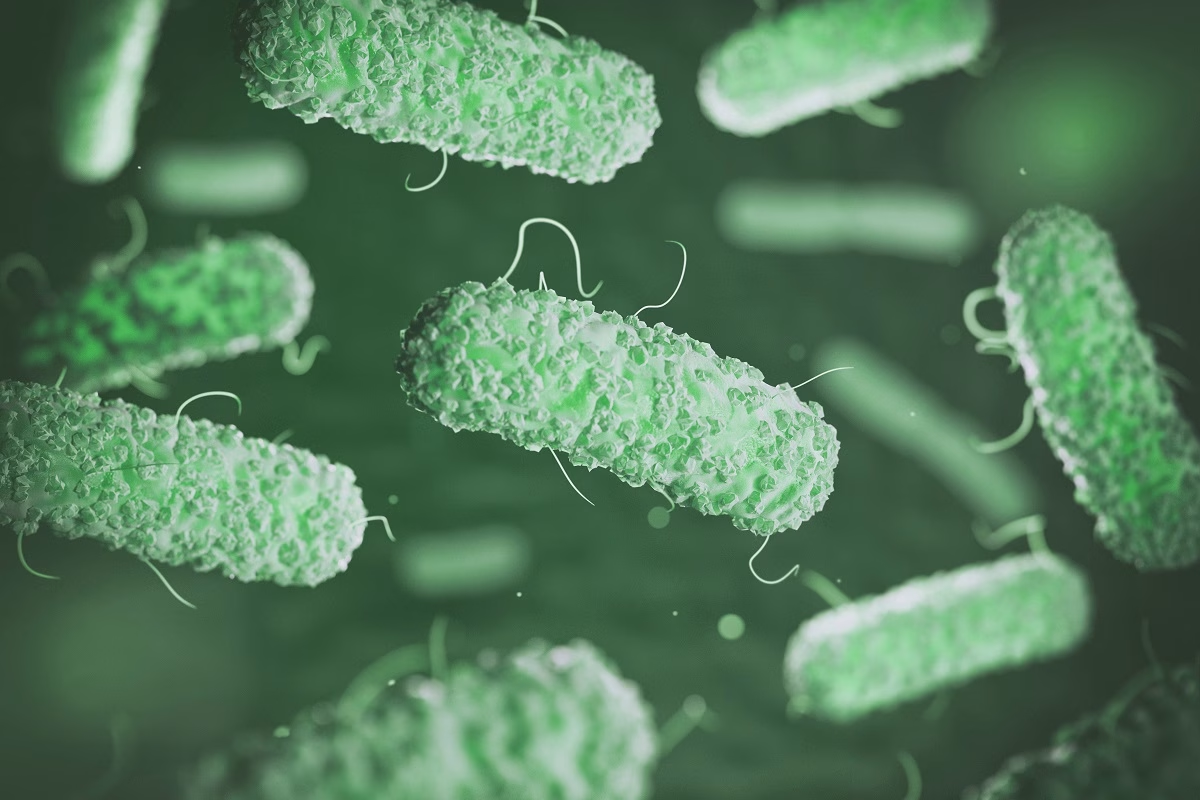
An infection caused by Nocardia bacterium is called nocardiosis. It often enters the body through cracks or cut skin or through air droplets. Sometimes, it may spread to other parts of the body, and it often causes the following symptoms. For example, shortness of breath (dyspnea), chest pain, skin ulcers, cough, and others. The risk of developing nocardiosis increases in people with weakened immune systems. Furthermore, if you leave this infection untreated, it can be fatal.
This bacterium often affects the lungs, skin, or brain. It is often found in the dirt (soil) around us, and most people get sick from breathing it. Generally, this infection occurs rarely, and it affects about 500 to 1,000 people in the U.S. each year. However, approximately 1% to 4% of people who receive heart or lung transplants get nocardiosis.
Symptoms
The symptoms can be different in people with this infection because it depends on the part of the body that is affected by this bacterium. Check some symptoms below:
- Chest pain (angina)
- Shortness of breath (dyspnea)
- Fever
- Unusual weight loss
- Night sweats
- Fatigue (extreme tiredness) that worsens over time
- Headaches
- Nodules (bumps under the skin)
- Nausea
- Vomiting
- Confusion
- Seizures
- Weakness
If you or your child experiences any of the previous symptoms, immediately contact your healthcare provider.
Causes and Risk Factors
The bacterium that causes nocardiosis lives in multiple parts of the world. People often get it by breathing it into the lungs or getting it in the skin. However, it may also spread to other parts of the body. Moreover, this bacterium may enter the body in different ways. For example:
- Through a break or cut in the skin
- Contaminated medical equipment during surgery (in rare cases)
- This bacterium can become airborne, and you can get it through breathing in dirt or dust
In addition, this bacterium may enter the body while working with dirt (such as pricking the finger on a thorn). Doctors have identified some factors that could make you more prone to nocardiosis. Examples include:
- HIV infection
- Diabetes
- Cancer
- Had a stem cell transplant, especially if you have received stem cells from someone else (also known as an allogenic stem cell transplant)
- Autoimmune disorders
- Other health conditions that require immunosuppressants that weaken your immune system
- Chronic lung diseases (such as COPD, also known as chronic obstructive pulmonary disease)
- Solid organ transplants (including a lung or heart transplant)
What Happens if Nocardiosis is Left Untreated?
People who develop this bacterial infection may also experience some complications. Check some of them below:
- Pneumonia
- Sepsis (a life-threatening reaction to infection)
- Respiratory or organ failure
- Lung abscess (pockets of pus in the lungs)
- Spreading of the infection to other parts of the body, such as the brain, blood, skin, eyes, kidneys, bones, or muscles
- Meningitis
- Skin ulcers
- Scarring
This document does not contain all possible complications of this bacterial infection. However, you can talk with your physician about measures to prevent them.
How to Prevent Nocardiosis?
Check below some tips that may help reduce the risk of developing nocardiosis:
- Wearing protective equipment (such as gloves, mask, and others) that will prevent any cuts or wounds on the skin when you work with dirt.
- Regularly wash your hands with soap and warm water, especially after work or being outdoors.
- Treat and bandage any cuts or open wounds in the skin
- You should also treat injuries immediately by washing them with soap and water and covering them. Seek medical attention if the wound is very deep and will not stop bleeding, or has dirt or debris that does not wash out.
Doctors may also prescribe some antibiotics if you are an organ transplant recipient.
Diagnosis
Doctors usually begin the diagnosis of nocardiosis with a physical examination to check for abnormalities linked to the disease, and may also ask some questions about your symptoms. However, to confirm nocardiosis, they will perform the following tests and procedures. Examples include:
- Skin ulcer biopsy – During this procedure, doctors will take a sample from an open wound in the skin for testing. They will check for the bacterium that causes nocardiosis.
- Brain abscess biopsy
- Imaging tests – For example, chest X-rays, CT (computed tomography) scans, and others. These tests are often used to identify lung infections.
They may also perform a PCR test and get the following samples from your body. These include sputum (mucus coughed up from the lungs), fluid from the lungs, and others.

Treatment
Unfortunately, there is no way to cure this bacterial infection. That’s why doctors prescribe treatments to relieve the symptoms and prevent serious complications. They often prescribe antibiotics to destroy the bacterium. Sometimes, people also need supplemental oxygen or a ventilator to improve breathing problems.
Frequently Asked Questions
What does a Nocardia skin infection look like?
People with Nocardia skin infections often experience ulcers or sores, including open wounds that are red or discolored, blistered, oozing, or crusted. Some people may also develop bumps under the skin that are painful.
Is nocardiosis contagious?
No, this bacterium does not spread from one person to another.
When should I go to the ER?
Immediately call 911 (in the U.S.) or go to the nearest emergency room (ER) if any of the following symptoms occur. Examples include:
- The wound does not heal or becomes larger
- Foul-smelling fluid draining from blisters
- Seizures
- Confusion
- Breathing problems
- Chest pain
What is the mortality rate of nocardiosis?
According to some studies, the death rate for nocardiosis is between 15% and 40%. However, this rate can be higher in some circumstances because it depends on multiple factors. These include the severity or the spread of the infection, existing health problems, age, and others. If you have any other questions, ask your healthcare provider.