
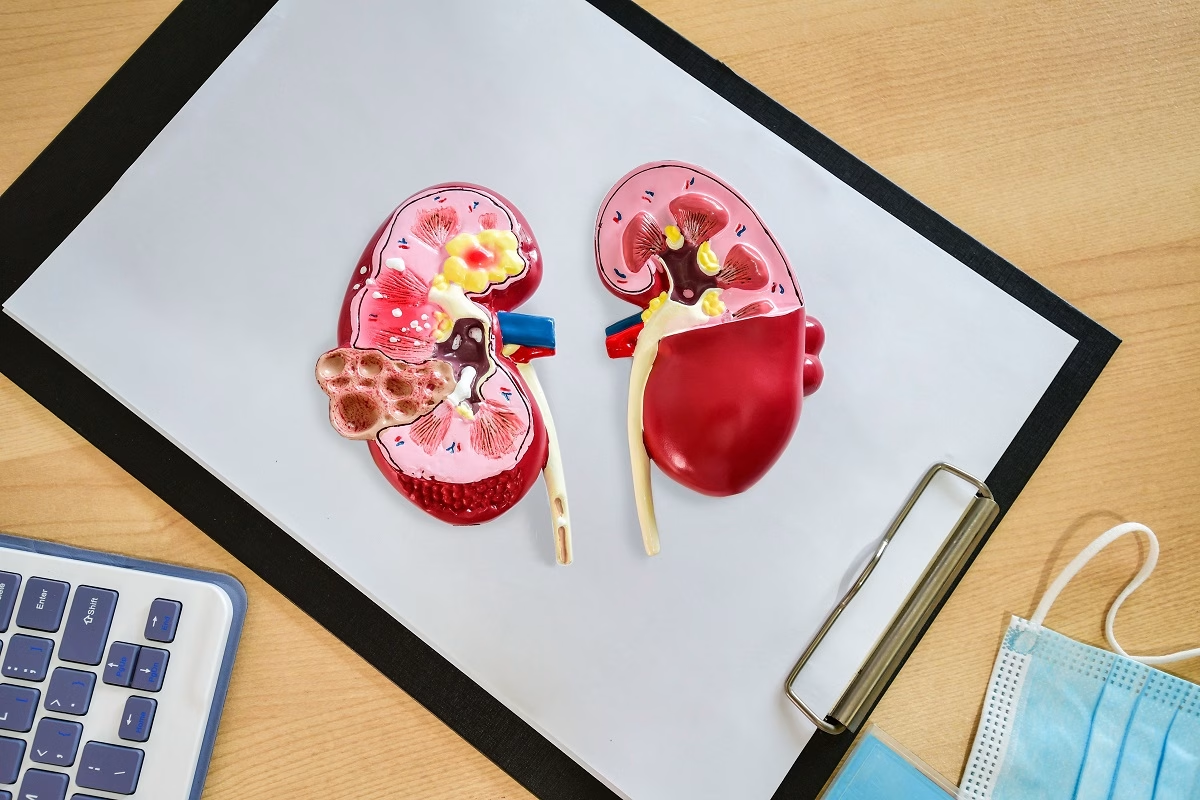
The medical term used to describe specific substances that cause damage to the kidneys is nephrotoxicity. In general, there are multiple types of substances that can cause damage to the kidneys and affect their function. Sometimes, it may occur after exposure to large amounts of nontoxic substances, but nephrotoxicity may happen due to exposure to small amounts of toxic substances. Doctors typically determine the exact cause of this health issue and strive to maintain kidney function for as long as possible.
In general, there are 2 types of nephrotoxicants: natural and chemical. In some cases, even medicines can be nephrotoxicants, but if they are taken in large amounts. Furthermore, nephrotoxicity is a common cause of sudden or acute kidney injury and long-term (chronic) kidney disease (CKD). While mild forms of nephrotoxicity can be reversed, in more severe cases, the damage caused to the kidneys can be permanent, and without treatment, can be fatal. Sometimes, this condition is called kidney toxicity or renal toxicity.
Nephrotoxicants
There are many types of nephrotoxicants. Some of them cause mild damage to the kidneys, but large amounts of specific nephrotoxicants may seriously affect their function. Check some examples of nephrotoxicants below:
- Heavy metals (including arsenic, lead, and mercury)
- Chemicals – These include carbon tetrachloride (often found in fire extinguishers and degreasing cleaners) and ethylene glycol (this substance is often found in antifreeze)
- Mycotoxins – For example, Ochratoxin A and citrinin that can be found in grains, coffee, and fruits.
- Plant and animal toxins (including stinging insect venom (such as bees and wasps), snake venom, and aristolochic acids (Aristolochiaceae plant family)
- Herbicides and pesticides, such as organophosphates (often found in insecticides) and paraquat (usually found in herbicides)
- Radiation – The radiation used in radiation therapy (a cancer treatment) may also cause damage to the kidneys.
Nephrotoxic Drugs
If the following medications are taken in large amounts, they may also become nephrotoxicants. For example:
- ACE inhibitors
- Antidepressants
- Benzodiazepines
- Chemotherapy drugs
- Diuretics
- Antiretrovirals
- ARBs
- Painkillers, including Acetaminophen and NSAIDs (nonsteroidal anti-inflammatory drugs)
- Proton pump inhibitors
There are other drugs that may also cause significant damage to the kidneys, including cocaine, heroin, ketamine, methadone, methamphetamine, and others.
Symptoms
While mild forms of nephrotoxicity may not cause any symptoms, in more severe cases, you may experience the following symptoms. For example:
- Appetite changes
- Foamy urine
- Dry and itchy skin
- Nausea
- Vomiting
- Reduced urination
- Skin darkening
- Swelling (especially in the hands, ankles, and feet)
- Hypertension (high blood pressure)
If you experience any of the previous symptoms, immediately contact your healthcare provider.
What Does “Nephrotoxicity Mechanism” Mean?
This medical term means different ways nephrotoxicants can cause damage to the kidneys. Check some examples below:
- Crystal nephropathy – In such cases, nephrotoxins cause crystals in the kidneys that may block small tubes (tubules) in the kidneys. Normally, these tubules help move nutrients, water, minerals, and wastes.
- Glomerular damage – A group of small blood vessels that filter toxins from the blood is called a glomerulus. When damage to the glomeruli occurs, it may affect the kidney’s ability to remove waste and excess fluid.
- Inflammation – In some people, nephrotoxins can cause allergic reactions, such as inflammation and scarring in the kidneys. As a result, it may lead to glomerulonephritis and acute or chronic tubulointerstitial nephritis.
- Renal tubular toxicity – In this case, the nephrotoxins cause damage to the tubules in the kidneys.
- Thrombotic microangiopathy – This condition occurs when a blood clot blocks the small blood vessels, which eventually affects kidney function.
What Are The Possible Complications of Nephrotoxicity?
People with this condition who do not receive treatment may experience some complications. While some of them are manageable, others may cause serious health problems. Check some of them below:
- Chronic kidney disease
- Kidney failure
- Glomerulonephritis
- Acute and chronic tubulointerstitial nephritis
- Renal tubular toxicity
The previous list does not contain a complete list of nephrotoxicity complications, but you can talk with your doctor about ways to reduce the risk of the previous complications.
How to Prevent Nephrotoxicity?
In general, it is quite difficult to prevent exposure to all nephrotoxicants because they are present in multiple medicines, therapies, and daily life. However, you can take some steps to reduce the risk. For example:
- Administering medicines exactly as recommended by your doctor
- Using PPE (personal protective equipment), especially if you are working around nephrotoxicants
- Regularly wash your hands, fruits, and veggies to remove pesticides
- Do not mix cleaning products or household chemicals
- Drink filtered water
- Test the water for heavy metals and other nephrotoxicants
- Store grains and other foods properly to prevent mold from growing
- Avoid addictive nephrotic substances
Diagnosis
Usually, doctors diagnose nephrotoxicity by performing the following tests. These include blood and urine tests that help determine how well your kidneys work. Sometimes, they may also perform some imaging tests, including an ultrasound, a CT (computerized tomography) urogram, or an MRI (magnetic resonance imaging) to get more details about the kidneys. In more severe cases, physicians may perform a kidney biopsy. During this test, they will take a small sample of the kidney for testing.
Treatment
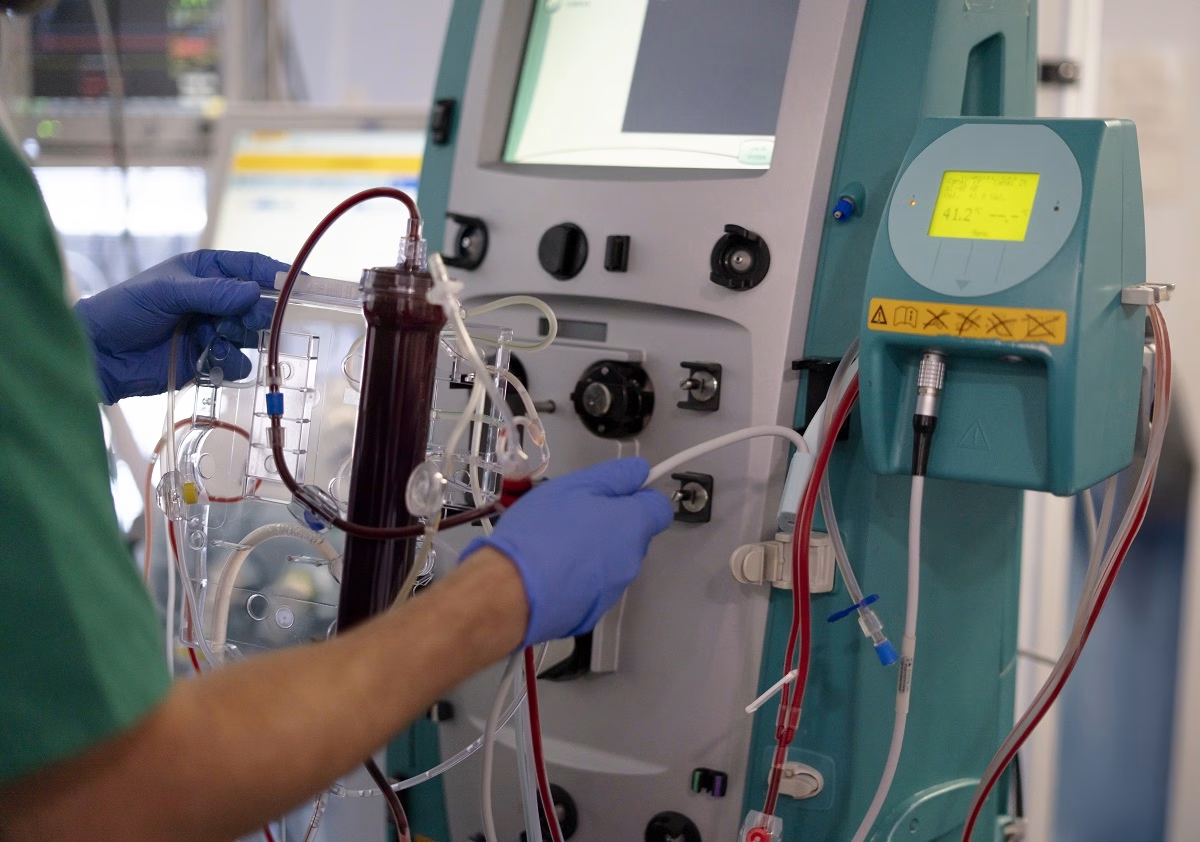
The treatment for people with nephrotoxicity is often different because it depends on several factors. For example, the severity and underlying cause of the disease, existing health problems, age, and preferences. Mild forms of this condition are often treated with dietary changes and reducing the dose of medicines that may cause the disease. In more severe cases, physicians may recommend steroids, dialysis, and even a kidney transplant. Dialysis is a treatment that helps filter waste and excess fluid from the blood when the kidneys no longer work properly.
Frequently Asked Questions
When should I see my healthcare provider?
Some people do not need treatment because they do not have symptoms. In any case, it is a good idea to schedule annual checkups with a PCP (primary care provider). In people who already have symptoms, physicians perform a blood test to check their kidney function. In general, it is recommended to visit a doctor if you experience the following symptoms. Examples include:
- Reduced urination
- Tiredness
- Loss of appetite
- Swelling (especially around the feet and ankles)
- Difficulty focusing or concentrating
- Sleep disturbances (insomnia)
What happens to your body when your kidneys start shutting down?
When a person experiences kidney failure, the toxins begin to build up in the blood (also known as uremia). As a result, it may lead to life-threatening complications and even death. In such cases, doctors often recommend dialysis or a kidney transplant to treat the condition.
Is nephrotoxicity curable?
While mild forms of this condition can be reversed, in moderate and severe cases, the condition may cause permanent damage to the kidneys, especially if it is left untreated. Ask your healthcare provider if you have additional questions.