
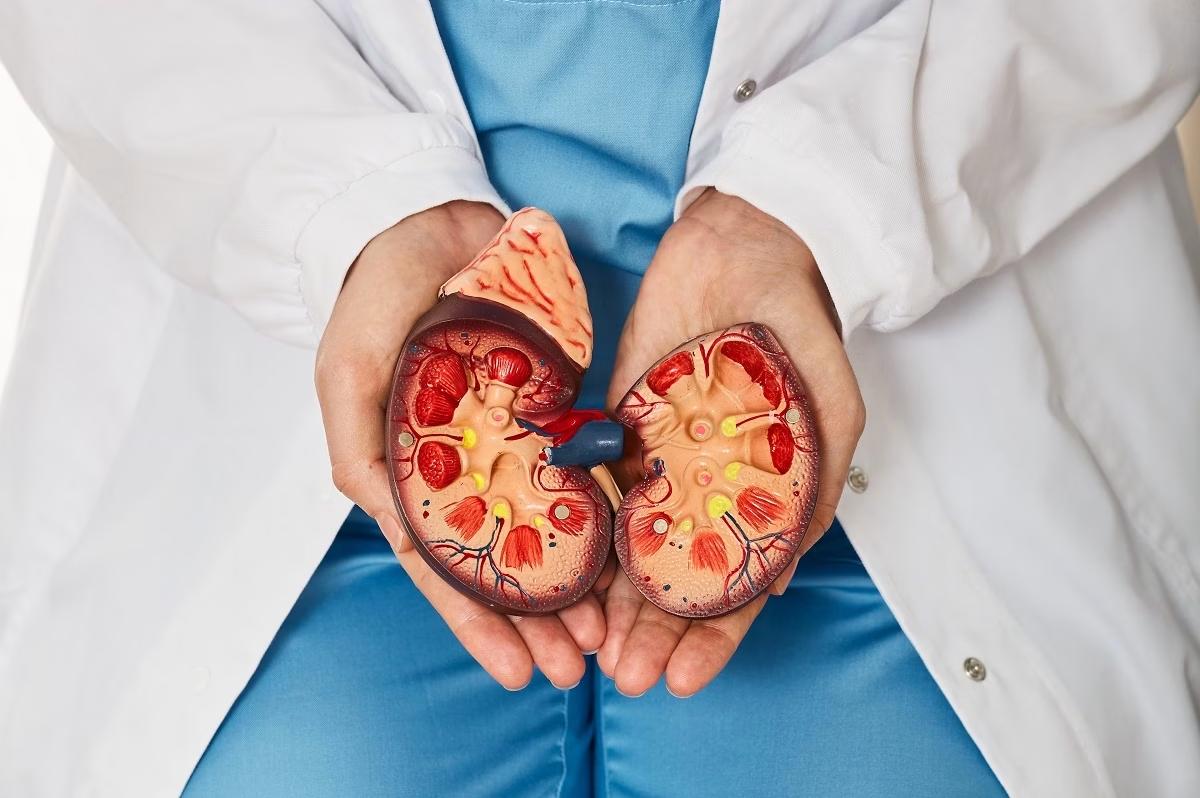
A disease in which the kidneys begin to release too much protein in the urine is called nephrotic syndrome. It is often caused by kidney diseases that negatively affect the small filters inside the kidneys (glomeruli). If you develop nephrotic syndrome, you may experience swelling, increased levels of protein in the urine, reduced protein in the blood, and other symptoms. Doctors often prescribe medicines and treatment for the underlying causes to treat this syndrome.
In other words, this occurs when the kidneys are releasing excessive amounts of protein in the urine. Usually, it occurs when you have problems with glomeruli (small filters in the kidneys) that remove waste and excessive fluid from the blood and send them to the bladder as urine. The most common waste products are nitrogen (urea), creatinine, and acids. Normally, the glomeruli remove waste and excessive fluids from the blood and allow it to retain cells and proteins the body needs to function properly. When something damages the glomeruli, it leads to blood protein leaking into the urine (albumin). Moreover, in people with nephrotic syndrome, these damaged glomeruli allow three or more grams of protein to leak into the urine over 24 hours. However, it is 20 times the amount of protein that healthy glomeruli often release.
It is also important to understand that nephrotic syndrome is a serious condition that negatively affects the lifespan, and it may also cause life-threatening complications.
How Common is Nephrotic Syndrome?
This condition occurs very rarely, and it affects about 1 in every 50,000 children each year. Mostly, it occurs in children from 2 to 5 years old. Furthermore, nephrotic syndrome also affects about 3 in every 100,000 adults each year.
Symptoms
Check below for the most common symptoms of nephrotic syndrome:
- Increased albumin levels in the urine (albuminuria)
- High cholesterol and fat levels in the blood (also known as hyperlipidemia)
- Edema (swelling) in the legs, feet, or ankles (sometimes in the hands or face)
- Hypoalbuminemia (reduced albumin levels in the blood)
- Appetite changes
- Abdominal (belly) pain
- Foamy urine
In some cases, doctors may notice a loss of minerals and vitamins in people with nephrotic syndrome. These include Calcium and vitamin D, which are vital for health and development. It also negatively affects the child’s growth and increases the risk of developing osteoporosis (bone loss), which significantly affects the hair and nails.
Causes
The main cause of nephrotic syndrome is damaged glomeruli that often occur due to kidney diseases. Healthcare professionals do not fully understand why kidney diseases target the glomeruli. Check below some health conditions that may lead to nephrotic syndrome:
- Amyloidosis – This is a health condition in which amyloid proteins begin to build up in the vital organs, such as the kidneys. It significantly affects their ability to filter water and excess fluids from the blood.
- Diabetes-related nephropathy – The medical term “nephropathy” means the kidneys are not working properly. In people with this condition, diabetes causes damage or dysfunction to one or more of the kidney nerves. Usually, people with diabetes-related nephropathy may experience numbness, tingling, muscle weakness, and pain in the affected area.
- Focal segmental glomerulosclerosis (FSGS) – This condition causes scarring to some small segments of glomeruli. As a result, it may lead to swelling, kidney failure, loss of proteins in the urine, and other symptoms.
- Lupus – This is an autoimmune disorder that causes inflammation and pain in the whole body (including the kidneys).
- Membranous nephropathy – In people with this condition, the immune system begins to attack the filtering membranes in the kidneys.
- Minimal change disease (MCD) – This is a form of nephropathy that affects the kidneys’ ability to filter blood. However, a biopsy may show little or even no damage to the glomeruli. This disorder may occur at any age. It mostly affects children.
Healthcare professionals have also identified some factors that could increase your risk of developing nephrotic syndrome. For example, allergies, diabetes-related kidney disease, a family history of the disease, and others. In addition, nephrotic syndrome affects boys more than girls.
What Are The Long-term Complications of Nephrotic Syndrome?
People with nephrotic syndrome may also experience the following complications, especially if they do not get treatment. Check some examples below:
- Acute kidney injury – When this complication occurs, the kidney suddenly stops working.
- Anemia – This condition occurs when levels of red blood cells are reduced. The primary function of red blood cells is to carry oxygen to all tissues and organs in the body.
- Coronary artery disease – In people with this condition, plaques begin to build up in the arteries that supply the heart muscle with blood.
- Hypertension (high blood pressure) – This condition causes the blood to flow with more force than usual.
- Hypothyroidism – This is a thyroid gland disorder in which it does not produce and release enough thyroid hormones in the bloodstream.
- Malnutrition
- Infections
- Blood clots
While this article does not contain a full list of complications, you can consult with your healthcare professional about ways to reduce the risk or even prevent the previous ones. In addition, nephrotic syndrome cannot be prevented.
Diagnosis
This condition is often diagnosed by performing the following tests and procedures. These include:
Urine Tests
- The urine test (also called urinalysis) is used to examine the visual and chemical aspects of the urine. Usually, doctors perform this test several times.
- A dipstick test – During this test, you will pee in a special container at a hospital, and then doctors will place a strip of paper coated with special chemicals (also known as a dipstick) into this container. According to the color changes on this dipstick, doctors will determine how much albumin is in your urine.
- Urine protein tests – Sometimes, doctors may perform this test to measure protein levels in the urine. It may also include a single urine sample or a 24-hour urine collection.
These urine samples are sent to the laboratory to check albumin levels in the urine. For example, if the urine sample has more than 30 mg (milligrams) of albumin for each gram of creatinine, it may indicate kidney problems.
Blood Tests
Physicians usually perform these tests to check for albumin levels in the blood. They may also look for blood cholesterol and triglyceride levels. If you have reduced levels of albumin in the blood, it may indicate nephrotic syndrome.
Kidney Biopsy
During this test, doctors will remove a small sample of the kidney for testing. They will examine this sample under a microscope for abnormalities linked to the disease. However, if you have diabetes and doctors suspect nephrotic syndrome, you may not need a kidney biopsy. Urinalysis and blood tests are usually enough to diagnose it.

Treatment
Unfortunately, there is no way to cure this syndrome. That’s why the treatment goal is to relieve the symptoms and improve your quality of life. Sometimes, the condition may go away on its own in late teenage years or early 20s. Physicians may also prescribe some treatments to manage underlying causes, including hypertension, high cholesterol, swelling, and infections. Check below some common treatments recommended by doctors for people with nephrotic syndrome:
- Dietary changes
- ARBs (angiotensin receptor blockers) or ACE (angiotensin-converting enzyme) inhibitors
- Diuretics to remove excess fluid from the blood
- Beta-blockers and calcium channel blockers to relieve high blood pressure
- Statins to reduce cholesterol levels
- Anticoagulants (also called blood thinners) to prevent blood clots
In some cases, doctors may also recommend influenza (flu) and pneumococcal vaccines to prevent serious infections that may lead to ear infections, pneumonia, and meningitis.
How do I Take Care of Myself?
Follow the doctor’s recommendations and take enough amounts of Potassium and protein, and reduce Sodium, Saturated fats, and cholesterol.
Frequently Asked Questions
How soon after treatment will I feel better?
While first improvements can be noticed a few days after starting the treatment, the complete recovery differs among people with nephrotic syndrome. It depends on the severity of the condition, underlying cause, and age.
How does nephrotic syndrome affect my body?
People with this condition are losing different types of proteins that may lead to serious health problems. For instance, some proteins prevent blood clots, and losing them may cause blood clots to form. Another essential protein type is immunoglobulin, which helps the immune system destroy bacteria, viruses, and other germs that can make you ill. In general, reduced levels of immunoglobulin significantly increase your risk of pneumonia, cellulitis, peritonitis, and other life-threatening infections.
What foods and drinks should be avoided by people with nephrotic syndrome?
While dietary changes do not cause or prevent this syndrome, they may help relieve the symptoms and prevent dehydration. Doctors may recommend reducing the amount of Sodium in your diet to relieve swelling. You should also limit or avoid saturated fat and cholesterol to manage hyperlipidemia. Some people should also avoid full-fat dairy, red meat, processed meat, fried foods, baked goods, and sweets. If you have any other questions, ask your healthcare provider.