
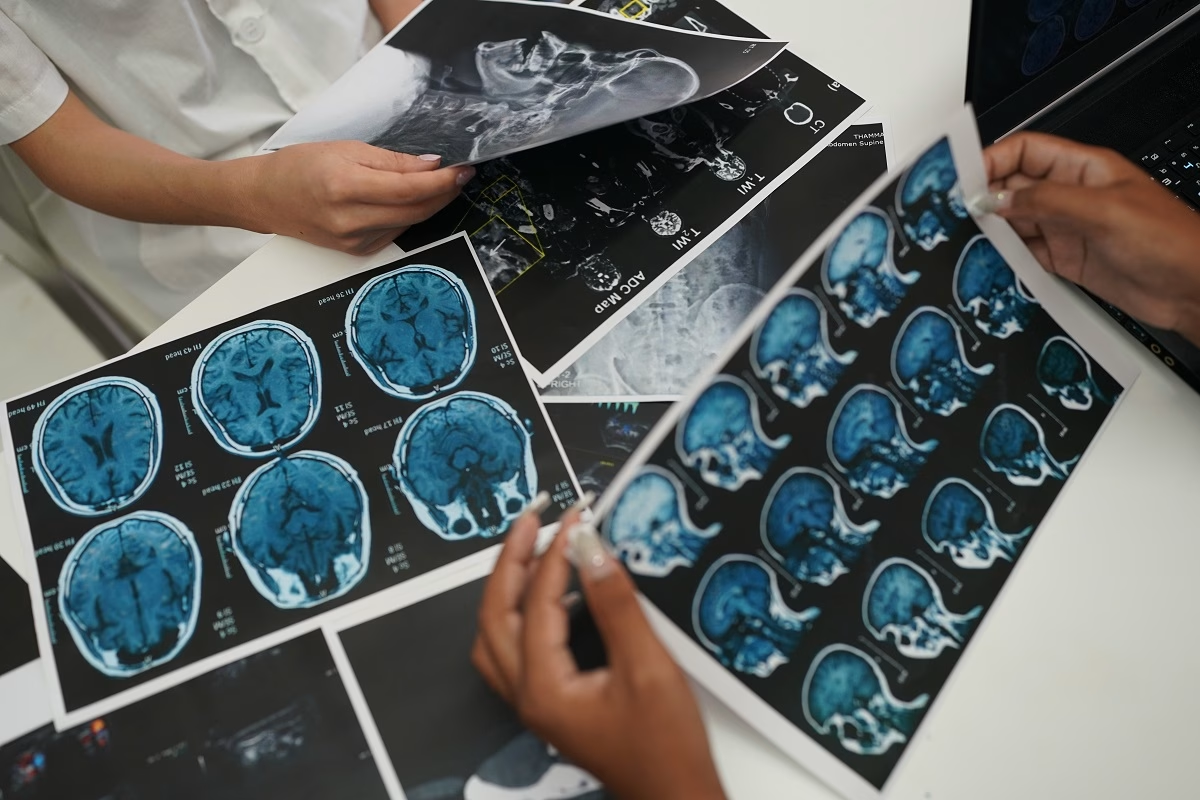
A condition in which a person develops inflammation or infection of the meninges and brain at the same time is called meningoencephalitis. This is a serious condition that often requires immediate treatment. Those who develop it may experience fever, neck stiffness, and other neurological problems (including increased sensitivity to light, behavioral changes, and seizures). Usually, doctors prescribe different treatments for people with this condition because they depend on the cause and severity.
In other words, meningoencephalitis is a rare but serious condition that negatively affects the meninges (the protective layers of the brain and spinal cord) and the brain itself. Sometimes, it is called encephalomeningitis. While meningitis is a condition that causes inflammation of the area that surrounds the brain and spinal cord, encephalitis is inflammation of the brain tissue. Both health conditions may occur due to an infection (such as a viral or bacterial infection), but may also occur due to other causes as well.
Types of Meningoencephalitis
Healthcare professionals have divided this condition into several types based on the underlying cause. While most of the time this disorder is related to an infection (such as amoebic, fungal, viral, or bacterial infections, sometimes it may occur due to autoimmune disorders (such as autoimmune encephalitis), medicine-related adverse reactions (such as immune checkpoint inhibitor therapy). Check below for the most common types of meningoencephalitis:
- Bacterial meningoencephalitis – In such cases, the condition happens due to a bacterial infection. For example, Neisseria meningitides, Streptococcus penumoniae, and Haemophilus influenzae type B.
- Cryptococcal meningoencephalitis – This type occurs when a fungal infection (Cryptococcus fungi) negatively affects your brain or lungs.
- Herpetic meningoencephalitis (HME) – People often develop this type of meningoencephalitis due to herpes simplex virus type 1 (HSV1), which is the virus that causes cold sores. However, it may also occur due to herpes simplex virus type 2 (HSV2).
- Primary amebic meningoencephalitis (PAM) – This condition is caused by an amoeba called Naegleria fowleri. It often lives throughout the world in warm and shallow bodies of water or fresh water (including lakes, rivers, and hot springs). It is also known as “brain-eating amoeba”.
Symptoms
Commonly, people who develop meningoencephalitis experience the following symptoms. These include:
- Extreme tiredness (fatigue)
- Photophobia (increased sensitivity to light)
- Speech problems
- Muscle weakness
- Fever
- Nausea
- Vomiting
- Neck stiffness or pain
- Headaches
- Hallucinations
- Seizures
- Loss of consciousness
However, children who develop meningoencephalitis may also experience feeding problems, difficulty arousing, excessive sleepiness, and a bulging forehead. It is very important to seek immediate medical help if you suspect you or your child has meningoencephalitis symptoms because they often progress quickly.
Causes and Risk Factors
This serious health condition is caused by infectious diseases, such as viruses, bacteria, fungi, and the amoeba Naegleria fowleri. Moreover, these infections can spread from one person to another through the air, water, food, or close contact with an infected person. However, not everyone who gets these infections will develop meningoencephalitis. Rarely, people may develop this serious condition due to an autoimmune disorder (such as autoimmune encephalitis).
Furthermore, healthcare professionals have identified some factors that may increase your risk of developing meningoencephalitis. Check some examples below:
- Age – Children under 5 years old and older adults (over 65 years old) are more prone to meningoencephalitis because of their weaker immune systems.
- HIV (human immunodeficiency virus) infection – This condition weakens the immune system, which makes you more likely to develop meningoencephalitis as well as other infections.
- Immunosuppressant medicines – This group of medicines is often used to suppress the immune system in people who need an organ transplant, stem cell transplant, or for certain autoimmune disorders.
- Cancer and cancer treatments – These include chemotherapy, radiation therapy, and others.
- Primary immunodeficiency disorder (PIDD)
- Some autoimmune disorders – For example, psoriasis, Crohn’s disease, lupus, and others.
- Alcohol use disorder
It is also recommended to consult with your doctor about ways to reduce the risk of serious infections if you have a weakened immune system.
What Are The Possible Complications of Meningoencephalitis?
It is important to get immediate treatment if meningoencephalitis occurs. Otherwise, it may lead to the following complications. Check some examples below:
- Neurological deficits – For example, permanent brain damage, cognitive/memory impairment, speech or language difficulties.
- Physical limitations – These include limb weakness, coordination problems, motor dysfunction, paralysis, and others.
- Sensory loss – Some people may develop deafness (permanent loss of hearing) and vision impairment.
- Neurological disorders – When meningoencephalitis is left untreated, it may lead to recurrent seizures (epilepsy) and increased intracranial pressure, or hydrocephalus.
- Systemic problems – For example, sepsis (blood poisoning), kidney failure, and limb amputation.
- Psychological and behavioral changes – In some cases, people with meningoencephalitis may experience depression, anxiety, severe headaches, and others.
The previous list does not contain all possible complications of meningoencephalitis, but you can consult with your physician about measures to reduce the risk of developing them.
How to Prevent Meningoencephalitis?
Unfortunately, it is not always possible to prevent meningoencephalitis. However, doctors may recommend some tips to reduce the risk. These include:
- Regularly wash your hands with soap and warm water
- Cover your mouth and nose when you cough or sneeze
- You should also disinfect regularly, frequently touched surfaces
- Avoid contact with people who are sick
- Do not swim or drink water that may be contaminated. Instead, you should use distilled or treated water for nasal irrigation.
- Use condoms or dental dams to prevent sexually transmitted infections (STIs) that may increase the risk of meningococcal diseases.
- Wear protective equipment, especially in dusty areas (such as construction sites and when staying inside during dust storms).
- You should see a doctor if you suspect you have an infection.
Diagnosis
Usually, the diagnosis of meningoencephalitis begins with a physical examination to check for abnormalities linked to the disease. Thereafter, doctors may also evaluate personal and family history to get more clues about the disease. In any case, to confirm or exclude meningoencephalitis, they often perform the following tests and procedures. Check some of them below:
- Body fluid tests – Usually, doctors test different body fluids (including urine, blood, and saliva) to check for infections.
- Lumbar puncture (also called a spinal tap) – During this procedure, doctors will insert a needle into the lower back to get a sample of cerebrospinal fluid (CSF) for testing. It often helps identify bacteria, fungi, or abnormal cells.
- Electroencephalogram (EEG) – This test is used to record the brain’s electrical signals. Usually, an EEG helps determine how well your brain is functioning.
- CT (computerized tomography) scan – This is an imaging test used to get cross-sectional images of different structures and organs in the body. It may show clots, swelling, infection, or inflammation.
- MRI (magnetic resonance imaging) scan – This is another imaging test used to get detailed pictures of the body structures. It is often used to diagnose meningoencephalitis in children because it does not use radiation that can be harmful to them.

Treatment
Physicians usually prescribe different treatments for people with meningoencephalitis because they depend on several factors. These include the severity and type of meningoencephalitis, overall health, age, gender, and preferences. Check below some options often used to treat people with meningoencephalitis:
- Medicines to treat underlying conditions – These include antifungal medicines, antiviral medications, antibiotics, and others.
- Antiseizure medicines – Doctors often prescribe Dilantin or Phenytoin to reduce the risk or treat seizures caused by meningoencephalitis.
- Corticosteroids and diuretics (also known as water pills) – These medications are used to reduce inflammation and remove excess water from the body. Sometimes, corticosteroids may help prevent deafness.
- CSF drainage – This procedure is used to reduce intracranial pressure.
- Painkillers or sedatives – People often need these medicines to treat severe pain or severe inflammation.
Frequently Asked Questions
Is meningoencephalitis contagious?
In general, the condition itself (inflammation in the brain and meninges) is not contagious, but the infections that cause it can easily spread from one person to another. These include viral, fungal, or bacterial infections (such as the herpes simplex virus or Neisseria meningitidis).
What is the prognosis for people with meningoencephalitis?
The outlook depends on some factors, such as the severity and type of meningoencephalitis, your response to treatment, age, existing health problems, and others. However, about 70% of survivors have cognitive or physical impairments 1 year after diagnosis. Furthermore, approximately 50% to 70% of people who develop herpetic meningoencephalitis will experience one of the following complications. These include neurological disorders, permanent brain damage, or coma.
What are the first signs of meningococcal?
These include severe headaches, neck stiffness, a sudden high fever, confusion, nausea, vomiting, and photophobia. If any of the previous symptoms affect you or your child, immediately seek medical help. If you have any other questions, ask your healthcare provider.