
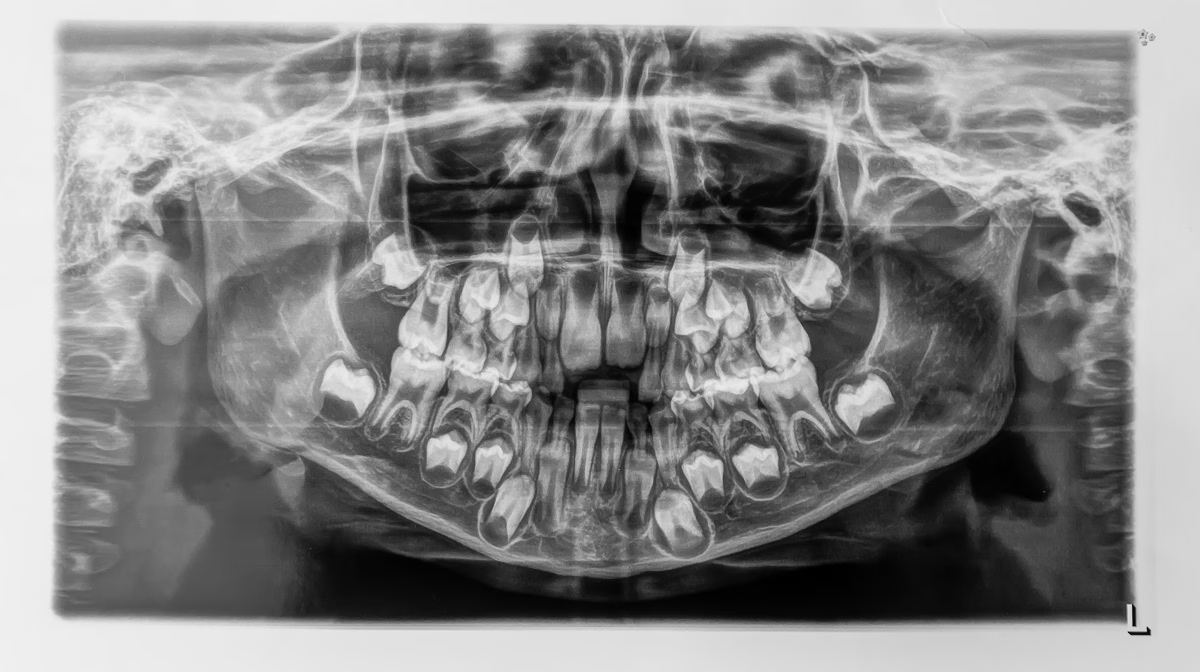
A health condition in which the lower teeth do not align properly when you completely close the mouth is called malocclusion (sometimes called bad bite). Without treatment, this condition may cause tooth erosion, gum disease, and other oral health problems. In most cases, malocclusion is treated with braces and other orthodontic devices. In more severe cases, doctors may recommend surgery.
In other words, people with malocclusion have a misaligned bite, and the upper and lower teeth do not fit properly when they close their mouths. While it may occur if you have crowded or crooked teeth, it may also happen because the upper and lower jaws do not fit properly. However, most diagnosed cases are hereditary. It means the condition passes from the biological parents.
If you leave this condition untreated, it can be harmful. Usually, people with untreated malocclusion experience tooth decay and gum disease. Furthermore, people with malocclusion may avoid social situations and relationships because they have concerns about their oral health and appearance, according to some research.
In addition, this condition occurs quite commonly and affects about 56% of people in the entire world. However, approximately 93% of children and adolescents with malocclusion do not need treatment. Doctors often recommend treatments when this condition affects oral health and function.
Types of Malocclusion
Experts have divided this condition into several types. For example:
- Crossbite – This type occurs when the upper teeth fit inside the lower teeth when you close your mouth.
- Open bite – In such cases, the upper and lower front teeth do not touch when you close your mouth.
- Overbite – This is a deep vertical bite that happens when the upper teeth overlap the lower teeth.
- Overjet – This type of malocclusion causes the front teeth stick out more than they should. Sometimes, this form of the condition is called buck teeth.
- Underbite – It causes the lower front teeth to extend beyond the upper front teeth.
Symptoms
Commonly, people with malocclusion experience the following symptoms. Examples include:
- Cheek biting
- Misaligned teeth
- Mouth breathing
- Difficulty chewing or biting
- Speech problems
If you or your child experiences any of the previous symptoms, immediately contact your healthcare professional.
Causes and Risk Factors
While some people develop malocclusion because their teeth are too large for their mouth, others may develop this condition when the upper and lower jaws do not align. Check below for other causes of malocclusion:
- TMJ disorders
- Tumors that develop in your jaw or mouth
- Impacted teeth
- Genetics
- Bruxism (teeth grinding)
- Tooth loss
Healthcare providers have identified some factors that could increase your risk of developing malocclusion. Examples include:
- Prolonged habits (such as thumb sucking, tongue thrusting, and others)
- Pacifier use
- Mouth breathing may negatively affect the jaw and facial development (especially if your child has chronic congestion or allergies)
- Premature baby tooth loss
- Jaw injury
What Are The Long-term Complications of Malocclusion?
Those who develop this condition may also experience some complications, especially if they leave it untreated. Check some of them below:
- Jaw pain
- Malnutrition (caused by chewing problems)
- Sleep disorders (such as sleep apnea)
- Tooth erosion
- Injuries to your gums
- Gum recession
- Speech disorders
- Low self-esteem
- Facial asymmetry
The previous list does not contain a complete list of malocclusion complications. In any case, you can consult with your doctor about ways to reduce the risk or even prevent them.
How to Prevent Malocclusion?
Unfortunately, it is not always possible to prevent this condition, especially hereditary malocclusion. However, doctors may recommend some tips to manage risk factors. For example:
- Good oral hygiene
- Replace any missing teeth with dental bridges or implants
- Regularly visit your dentist for dental cleanings and examinations
Doctors also recommend discouraging your child from thumb-sucking or using a pacifier after the age of 4.
Diagnosis
In most cases, doctors diagnose malocclusion during a dental examination. However, when it is not clear, they may perform the following tests. Check some of them below:
- Dental impressions or X-rays – These tests are used to make study models of your mouth or get images of the mouth to check for decay or the bone levels around the teeth.
- Photographs of the teeth – This procedure is done to examine the way your teeth fit together.
Classification Systems
Most healthcare providers use classification systems to diagnose this condition. One of them is called the Ackerman and Profitt classification system. It is primarily used to describe malocclusion types based on the jaw position and how the upper and lower teeth relate to each other. For example:
- I – In such cases, the upper teeth stick out beyond the lower teeth, causing the jaw to not align properly.
- II – This class causes the teeth to stick out significantly beyond the lower teeth. They also have an underdeveloped jaw.
- III – In such cases, people have an overdeveloped jaw. Usually, it is more difficult to treat this class of malocclusion compared to the previous ones.
- IV – This class occurs when your upper teeth sit significantly behind the lower teeth.
- V – People with this class of the condition have their upper teeth forward of the lower teeth.
- VI – This is a severe form of malocclusion in which the lower teeth sit significantly behind the upper teeth.
Treatment
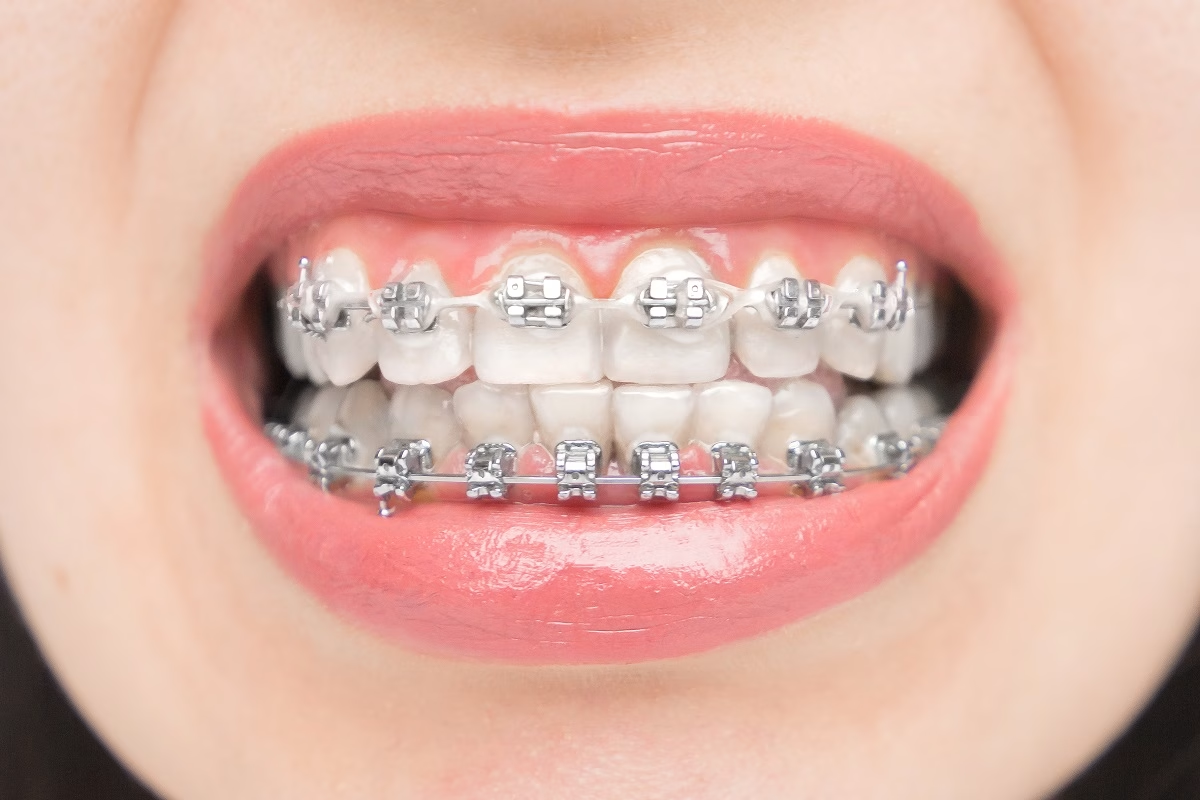
In most cases, doctors treat malocclusion with the following treatments. For example:
- Braces – They are used to bring the teeth into alignment.
- Clear braces (also called aligners) – In such cases, the treatment gradually moves the teeth to their proper position.
- Jaw surgery – During this procedure, surgeons will correct problems you inherited or fix jaw fractures that did not heal properly.
- Orthodontic headgear to improve jaw movement
- Restorative dentistry – This treatment helps repair missing or damaged teeth.
- Tooth extractions – It is often recommended for people with malocclusion to ease overcrowding and make more room in the jaw.
Frequently Asked Questions
What can I expect if I have dental malocclusion?
In general, most people with malocclusion do not need treatment because they develop a mild form. In moderate or severe cases, doctors may recommend treatments. While the recovery time varies among people with this condition, it often takes some time.
When should I see my healthcare provider?
It is usually advised to visit a dentist if you have any concerns about your teeth or misaligned teeth, as they can negatively affect your oral health and function.
What is the most common cause of malocclusion?
The most common causes of malocclusion are certain habits (such as thumb sucking or long-term pacifier use) and abnormal genes that you can inherit from your biological parents during pregnancy. If you have any other questions, ask your healthcare provider.