
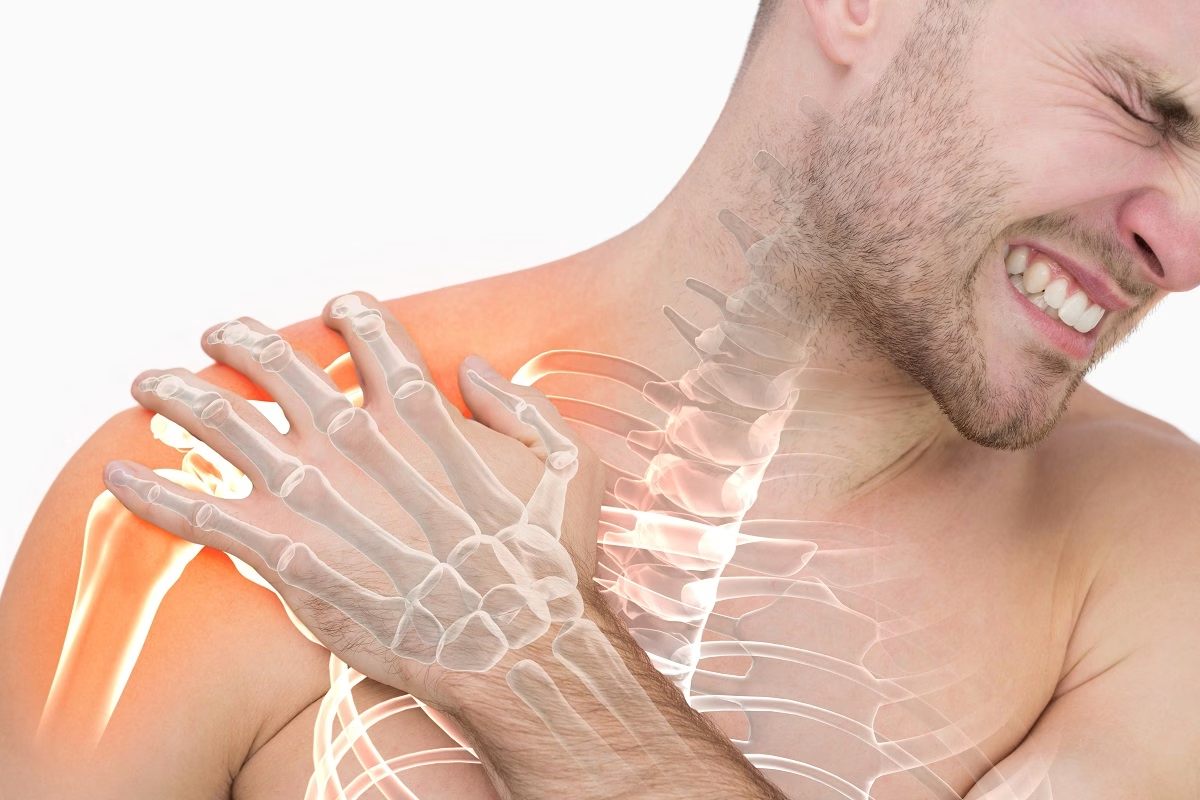
A rare genetic condition in which people experience benign (noncancerous) tumors in cartilage (enchondromas), often in the hands, is called Maffucci syndrome. People with this syndrome often experience bone pain, skeletal abnormalities, and have an increased risk of fractures. Sometimes, it may also involve abnormal tangles of blood vessels on the skin (also called hemangiomas).
In general, cartilage is a firm and flexible type of connective tissue that is present throughout the body. It coats the bones in the joints. In people with Maffucci syndrome, there begin to develop noncancerous tumors that are made up of cartilage grow in the bones. Moreover, there are more than hundreds of thousands of enchondromas that together can cause severe deformities (such as short limbs). While it mostly occurs in the hands and feet, it may also affect the following parts of the body. For example:
- Arms
- Legs
- Ribs
- Skull
- Vertebrae (bones of the spine)
In most cases, tumors that occur due to this syndrome are noncancerous, but sometimes, they can become malignant (cancerous). Furthermore, approximately 50% of people who develop this syndrome also have chondrosarcoma, which is a type of bone cancer that begins to develop in the cartilage cells.
This syndrome occurs very rarely. In general, there are several hundred cases reported in the medical literature.
Other Names for Maffucci Syndrome
Sometimes, this genetic disorder is called in the following ways. For example:
- Multiple angiomas and endochondromas
- Kast syndrome
- Hemangiomata with dyschondroplasia
- Enchondromatosis with multiple cavernous hemangiomas or with hemangiomata
- Dyschondrodysplasia with hemangiomas
- Dyschondroplasia and cavernous hemangioma
- Chondroplasia with hemangioma
- Chondroplasia angiomatosis
Symptoms
The symptoms of this syndrome often range from mild to severe. The following symptoms can be present at birth, but mostly occur during childhood. Check some examples of symptoms that come from enchondromas below:
- Bone pain and fractures
- Bowed arms or legs
- Curved spine
- Osteolysis (destruction of the bone)
- Bulging bones
- Short stature
- Uneven arms or legs
Check below also some symptoms related to hemangiomas:
- Blood clots
- Lymphangiomas – These are fluid-filled cysts in the vessels that carry lymph throughout the body
- Underdeveloped muscles
- Hemangiomas (red, purple, or blue skin growths) on the hands
If your child experiences any of the previous symptoms, immediately contact your healthcare professional.
Causes
This is a genetic condition that occurs due to a random mutation in one of two genes. These include IDH1 (in most cases) or IDH2 (rarely). According to some research, these mutations occur during pregnancy. Generally, IDH genes are responsible for producing enzymes that are vital for many cell processes in the body. However, experts do not fully understand what exactly causes these gene mutations. In addition, Maffucci syndrome cannot be inherited. It means it does not pass from biological parents to their biological children.
Complications
People with this condition may also experience complications, especially if they do not get treatment. Check some of them below:
- An increased risk of certain cancers (including ovarian cancer, brain cancer, pancreatic cancer, and others)
- Internal hemangiomas (such as in the liver or lungs)
- Anemia (low red blood cell count)
- Pituitary tumors
- Chondrosarcoma
- Severe deformities
- Increased risk of bone fractures
The previous list does not contain all possible complications of Maffucci syndrome. However, you can talk with your healthcare professional about measures to reduce the risk or even prevent the previous complications. Unfortunately, there is no way to prevent this condition because it occurs randomly during pregnancy.
Diagnosis
In most cases, doctors diagnose this syndrome by performing the following tests and procedures. Examples include:
- Physical examination – During this procedure, physicians will check for abnormalities linked with the disease. They may also ask some questions about your family history and symptoms.
- Imaging tests – Usually, physicians perform X-rays or CT (computerized tomography) scans. They help get detailed images of the bones.
- Biopsy – This test involves the removal of a small sample of the affected bone for testing. It often helps identify cancerous cells.
Treatment
Usually, people with this syndrome need a healthcare team to treat it. These include:
- Dermatologists to treat skin disorders and remove hemangiomas
- Orthopedic surgeons to treat bone fractures and correct deformities
- Radiologists to perform accurate imaging tests and diagnosis
- Orthopedic oncologists to treat cancer and watch for the condition throughout your life
This condition cannot be cured. That’s why the treatment goal is to find cancer in the early stages, prevent or treat broken bones, and ease the symptoms (such as pain). Check below some treatment options that are often recommended for people with Maffucci syndrome:
- Surgery to fix hand abnormalities or remove enchondromas
- Shoe lifts, medicines, or surgery to compensate for differences in leg length
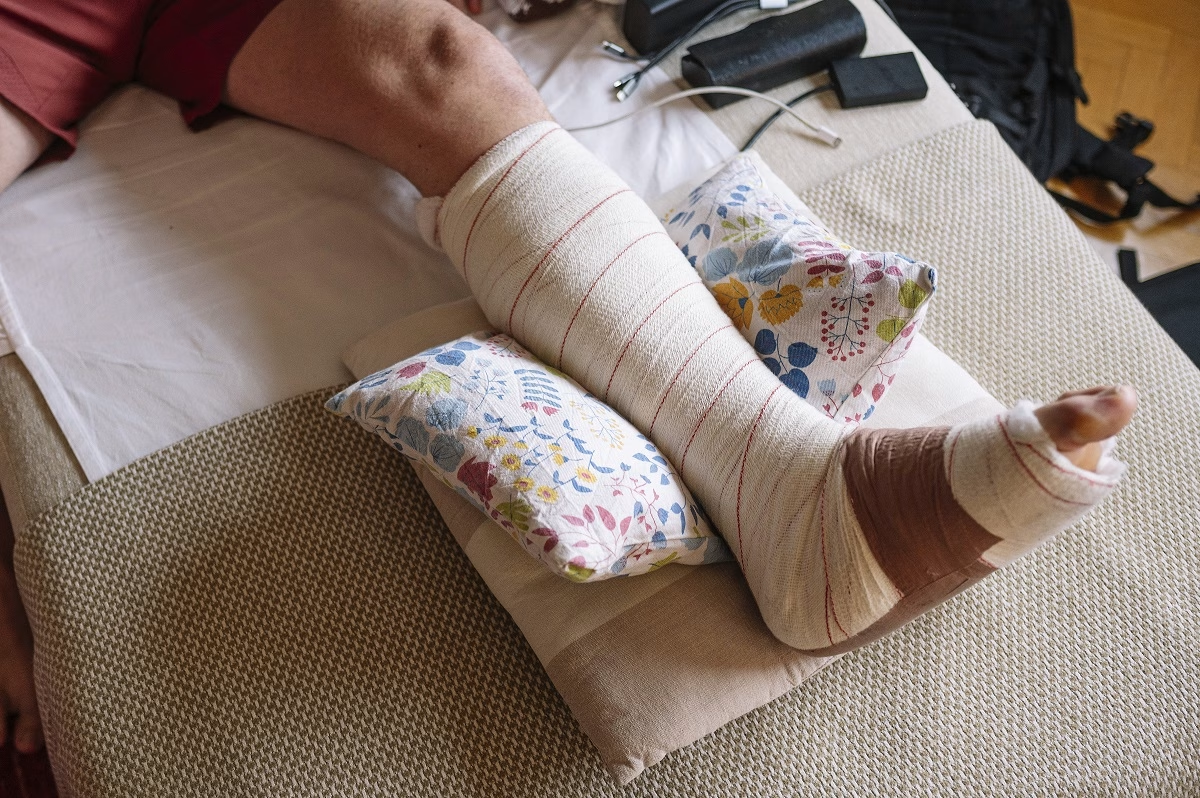
- Casts, splints, and surgical interventions to fix bone fractures
- Braces or surgeries to treat scoliosis (abnormal curvature of the spine)
Healthcare professionals may also recommend sclerotherapy when hemangiomas are bothersome. It involves an injectable solution that helps shrink the lesions.
Frequently Asked Questions
What is the difference between Ollier and Maffucci syndrome?
While both syndromes are types of enchondroma, people with Maffucci syndrome may also develop hemangiomas.
What is the prognosis for people with Maffucci syndrome?
This is a chronic (long-term) genetic disorder that requires regular checkups and treatment. While some people have mild symptoms, others may develop severe deformities, bone problems, and even cancer. However, Maffucci syndrome does not affect intelligence.
What is the life expectancy of someone with Maffucci syndrome?
In most cases, this condition does not affect lifespan. However, the life expectancy may decrease if they develop cancer. For more details, discuss it with your doctor.
What are the symptoms of Maffucci syndrome?
Usually, people with this genetic disorder experience the following symptoms. Examples include bone pain and fractures, deformities, vascular tumors, fluid-filled cysts (also known as lymphangiomas), and an increased risk for certain types of cancer. Do not hesitate to see a doctor if your child experiences any of these symptoms. Most of the time, the symptoms of this disorder appear during childhood. Ask your healthcare provider if you have any other questions.