
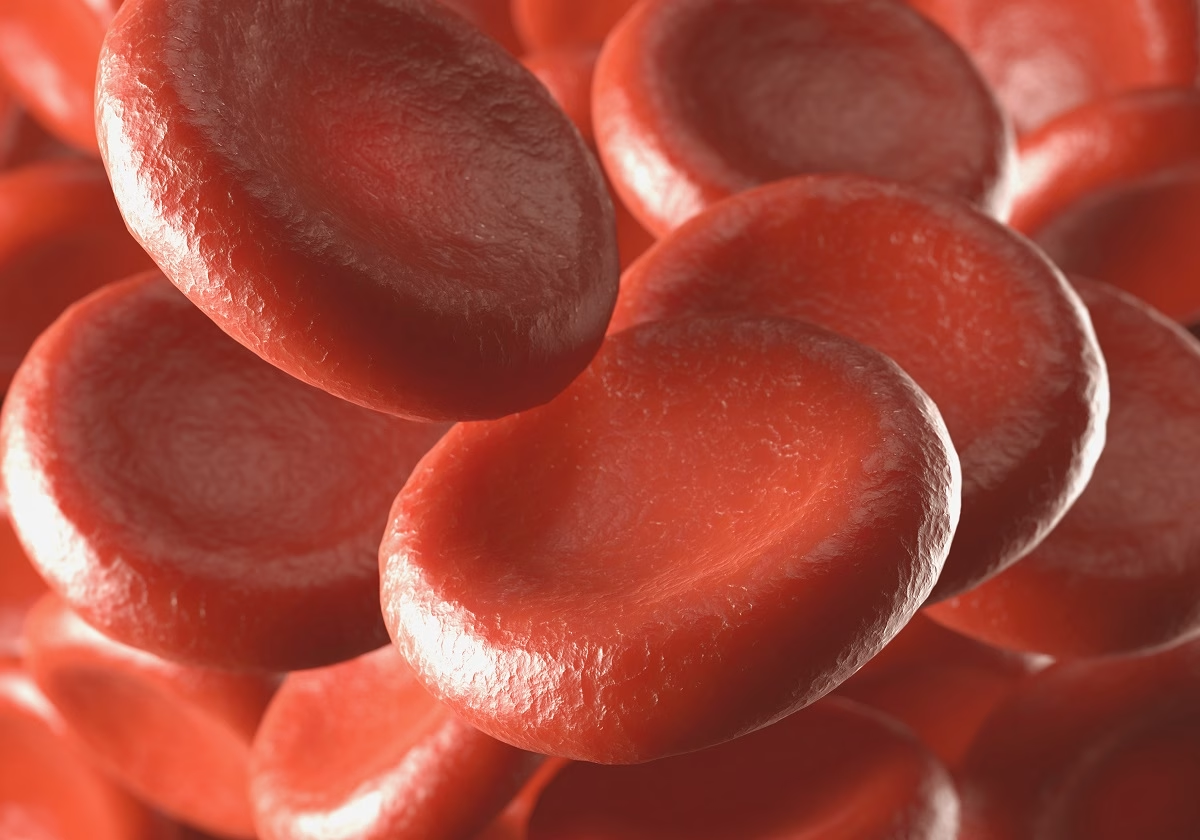
The medical term used to describe red blood cells that are larger than normally they would be is macrocytosis. Usually, it is considered that you have macrocytosis if your MCV value on a blood test is more than 100 femtoliters (fL). Furthermore, the presence of large red blood cells often indicates macrocytic anemia, which is a condition related to vitamin deficiencies. Most of the time, large red blood cells are not a sign of something serious.
Macrocytosis is not a diagnosis or condition. However, you can learn that you have enlarged red blood cells by performing a complete blood count (CBC). This is a routine test used to monitor your health by examining your blood cells. The CBC also includes a value known as mean corpuscular volume (MCV), which often indicates the average size of the red blood cells. For instance, an MCV above 100 femtoliters (fL) is considered normal for adults. However, if results show an MVB more than 100 fL, it is not something serious because enlarged red blood cells continue to do their job. In rare cases, people may develop macrocytic anemia, which is a serious condition that requires treatment.
In general, this condition affects about 2% to 4$ of people. Moreover, approximately 60% of them also have anemia. Commonly, macrocytosis without anemia occurs in infants and older adults.
Symptoms
Most people with macrocytosis have only an increased MVB value on a CBC. However, when the symptoms appear, they are often related to the underlying cause. For instance, if you have macrocytic anemia, you may experience symptoms similar to anemia (such as weakness or pale skin). People who develop macrocytosis due to nutritional deficiencies may also experience diarrhea, problems with memory and balance, and others.
Causes
While macrocytosis can occur due to structural problems in the bone marrow (where blood cells are made), it may also occur due to a lot of immature red blood cells (also known as reticulocytes) in the blood. Most of the time, reticulocytes are larger than fully mature red blood cells. Check below also for other causes of macrocytosis:
- Nutritional deficiencies – Normally, the body needs nutrients, such as vitamin B12 and folate (vitamin B9), to produce healthy red blood cells. If you do not get these nutrients from your diet or have conditions that prevent the body from absorbing them, it may lead to macrocytic anemia.
- Certain medicines – There are some medications that can cause macrocytosis. For example, medicines used to treat sickle cell disease (Hydroxyurea), multiple chemotherapy drugs used to treat cancer, and antiretroviral therapy (ART) used to treat HIV infection.
- Alcohol use disorder – The body is not able to absorb enough nutrients if you are drinking large amounts of alcoholic beverages.
- Liver disease – Sometimes, macrocytosis can be a sign of liver disease. Moreover, liver disease is not always related to misuse of alcohol.
- Hemolytic anemia – In people with this condition, there is an underlying disorder that causes their red blood cells to die too fast. When it occurs, the body begins to release more immature red blood cells to compensate. However, immature red blood cells are not fully formed and cannot successfully transport oxygen.
- Severe blood loss – The body may also release reticulocytes into the bloodstream if you lose large amounts of blood.
- Myelodysplastic syndrome – This is a type of cancer that negatively affects the bone marrow. Therefore, it cannot produce enough healthy red blood cells.
- Hypothyroidism – In people with an underactive thyroid gland, macrocytosis may develop with or without anemia.
In some cases, healthcare professionals cannot identify what exactly causes macrocytosis. In such cases, the condition is called idiopathic macrocytosis.
Complications
While most of the time, large red blood cells do not cause any health problems, some people may develop serious conditions and the following complications. Check some of them below:
- Severe anemia – In such cases, large blood cells cannot carry enough oxygen to tissues and organs in the body. Usually, people with severe anemia experience the following symptoms. For example, shortness of breath (dyspnea), pale skin, weakness, and persistent fatigue (extreme tiredness).
- Neurological damage – This complication often occurs due to vitamin B12 deficiency. It often causes balance problems, poor coordination, confusion, memory loss, peripheral neuropathy, and other symptoms.
- Cardiovascular strain – Sometimes, people with chronic (long-term) anemia have an increased risk for heart failure and other heart-related problems.
- Increased risk of infections – In people with anemia, the immune system can become weakened. As a result, the risk of developing serious infections (such as pneumonia) significantly increases.
- Gastrointestinal problems – These include diarrhea, appetite changes, and glossitis (inflamed tongue). The previous symptoms usually occur along with megaloblastic anemia.
- Cognitive decline – People with macrocytosis may also experience poor concentration and memory problems, especially if they have a vitamin B12 deficiency.
The previous list does not contain all possible complications of macrocytosis. However, you can consult with your healthcare professional about ways to reduce the risk of developing them.
How to Prevent Macrocytosis?
Unfortunately, it is not always possible to prevent this condition, but doctors may recommend some tips to reduce the risk. These include:
- Eating foods rich in vitamin B12 and folate – For example, fish, dairy, and fortified cereals.
- Limit or avoid alcoholic drinks
- Do not skip annual blood tests – Early detection of macrocytosis may prevent more serious health conditions.
- Stop smoking – If you have problems with smoking cessation, discuss it with your physician.
Diagnosis
Usually, doctors identify macrocytosis by performing a CBC. It occurs when the MCV value is greater than 100 fL. However, doctors usually perform multiple tests to determine how severe macrocytosis is. For instance, a high MCV (from 110 to 115 fL) may indicate a severe form of macrocytic anemia known as megaloblastic anemia. Check below some tests often used to determine the underlying condition and other health problems associated with macrocytosis:
- Peripheral blood smear – Doctors will perform a blood test to examine blood cells under a microscope. It helps determine abnormalities related to macrocytosis (such as problems with blood cell development).
- Vitamin B12 and folate levels – Reduced levels of these nutrients may also indicate macrocytosis.
- Reticulocyte count – This test is used to determine if your high MCV is associated with multiple immature red blood cells in the blood.
- Liver function test – It is used to determine how well the liver absorbs the nutrients required to produce healthy red blood cells.
- Bone marrow biopsy – During this procedure, doctors will take a sample of bone marrow for testing.

Treatment
Not everyone who develops macrocytosis needs treatment. For instance, if you do not have anemia symptoms and tests do not show any abnormalities, treatment is not required. In general, the treatments are different among people because they depend on some factors. These include the severity and underlying condition of macrocytosis, overall health, gender, age, and preferences. Check some common treatments for people with macrocytosis below:
- Medicines
- Dietary changes and supplements
- Blood transfusion (often recommended if you have severe anemia along with macrocytosis)
Frequently Asked Questions
Can you cure macrocytosis?
Usually, treating the underlying cause reverses macrocytosis. For more details, discuss it with your doctor.
What happens if macrocytosis is left untreated?
While most people with enlarged red blood cells do not have any health problems, some of them may experience the following complications. These include severe anemia, balance problems, cognitive decline, and others.
What can cause macrocytosis without anemia?
Sometimes, people develop macrocytosis without having anemia. Potential causes include chemotherapy drugs, vitamin B12 and folate deficiency, hemolysis or bleeding, liver dysfunction, MDS (myelodysplastic syndrome), and an underactive thyroid gland (hypothyroidism). Ask your healthcare provider if you have any other questions.